
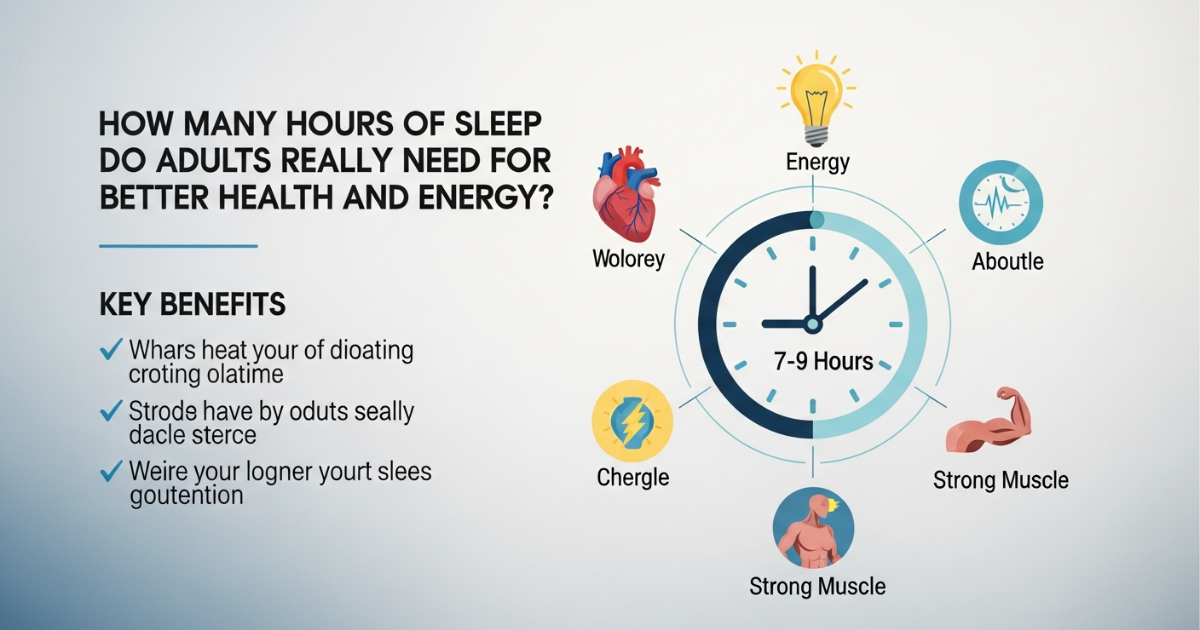
Getting enough rest isn’t just about feeling less tired. It’s about understanding how many hours of sleep your body truly needs to function at its best. For most people, the answer falls within a healthy sleep range, but your lifestyle, stress, and habits can shift your ideal sleep time. Many adults follow general adult sleep recommendations, yet still wake up feeling drained.
That often happens when your nightly sleep hours don’t match your body’s natural rhythm. In this guide, you’ll learn what science says, how your needs may differ, and how to adjust your routine so you can wake up refreshed and ready for the day.
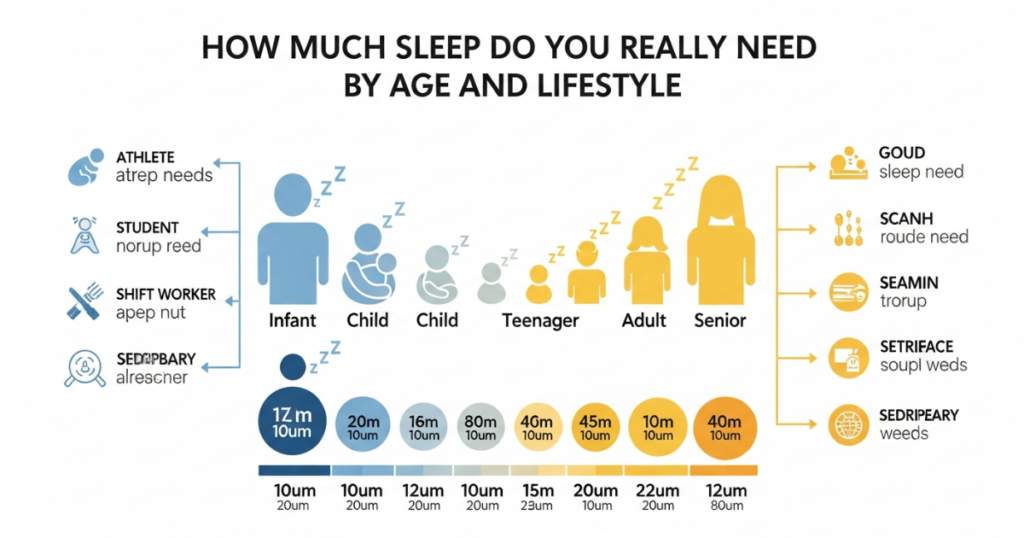
How Much Sleep Do You Really Need by Age and Lifestyle
Your ideal sleep duration by age changes as you grow. Adults in the United States usually need 7 to 9 hours, which is considered a healthy sleep range. However, lifestyle, stress, and activity level can shift your ideal sleep time significantly.
Even though this guide focuses on adults, understanding sleep needs by age gives helpful context. From newborn sleep hours to elderly sleep patterns, each stage has unique needs that shape overall health and long-term well-being.
| Age Group | Recommended Sleep Hours |
| Newborns | 14–17 hours |
| Infants | 12–15 hours |
| Toddlers | 11–14 hours |
| Children | 9–13 hours |
| Teens | 8–10 hours |
| Adults | 7–9 hours |
| Seniors | 7–8 hours |
Is 6 Hours of Sleep Enough? Truth vs Myths
Many people believe six hours is enough, but science tells a different story. While some may function short term, long-term lack of proper nightly sleep hours leads to serious sleep deprivation effects that build quietly over time.
Consistently sleeping less than the recommended amount affects your mood and attention, lowers your energy levels, and increases risks like sleep and high blood pressure. Over time, even small deficits can harm your mental health and overall daily performance.
Short Sleep vs Long-Term Health Risks
Sleeping only six hours regularly disrupts your circadian rhythm and weakens your immune system. It also increases the risk of depression, slows recovery, and reduces focus, making everyday tasks feel harder than they should.
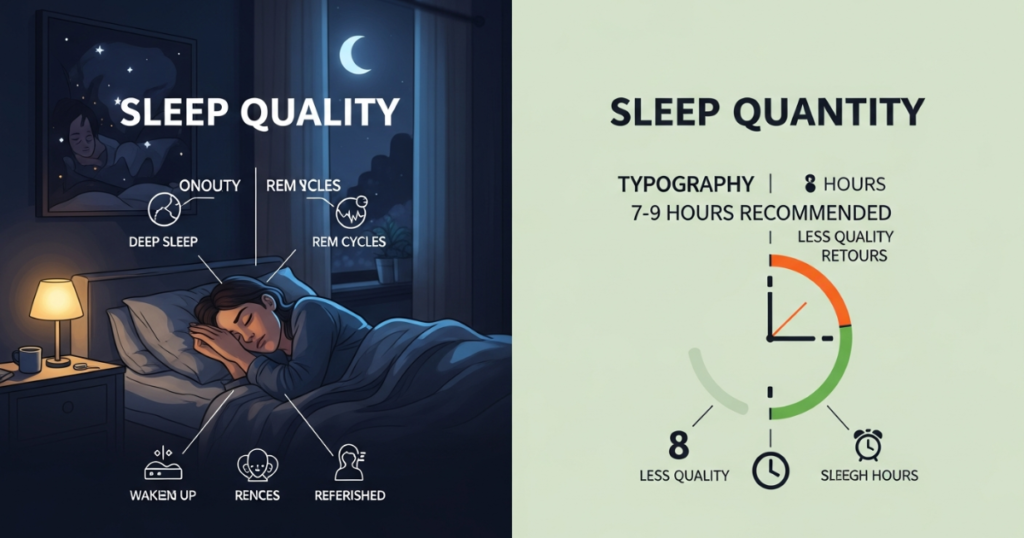
Sleep Quality vs Quantity: Which Matters More?
You can sleep eight hours and still feel tired. That’s because quality matters as much as quantity. Good sleep supports proper rest and recovery and keeps your body aligned with its natural rhythm.
Interrupted sleep damages your sleep-wake cycle and reduces deep sleep stages. Poor quality rest leads to poor sleep impact, affecting both your physical health and your brain function, even if your total hours look perfect.
Why Sleep Is Important for Your Health
Sleep fuels every system in your body. It supports your immune system, stabilizes blood pressure, and helps regulate hormones linked to weight gain. Without enough rest, your body cannot repair itself properly.
Your mind also depends on sleep. Strong sleep and mental health connections show that rest improves memory, reduces stress, and supports emotional balance. Without it, even simple decisions become harder, and your focus drops quickly.
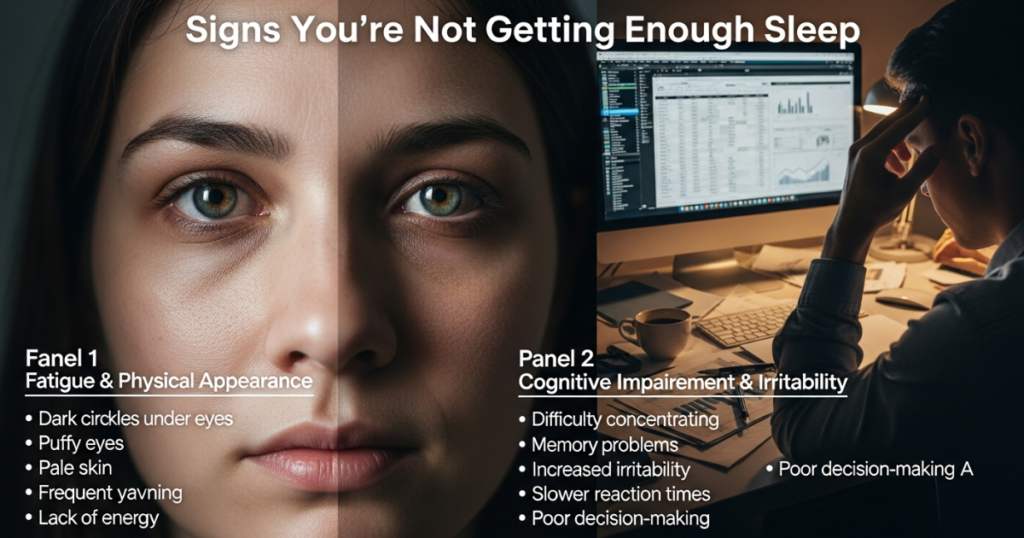
Signs You’re Not Getting Enough Sleep
Your body sends clear warning signs when your rest is lacking. Common lack of sleep symptoms include constant fatigue, poor concentration, and irritability that affects daily interactions.
You may also notice frequent illness due to weaker sleep and immunity, along with changes in appetite linked to sleep and weight gain. These signs often appear before serious health problems develop, making early action important.
How to Improve Sleep Quality Naturally
Improving sleep starts with small changes. Focus on how to get better sleep by adjusting your environment and habits. Simple tips for better sleep can make a big difference within days.
Start with sleep environment optimization. Keep your room cool at bedroom temperature (60–67°F), maintain a dark room environment, and use noise reduction techniques. These adjustments help your body relax and fall asleep faster.
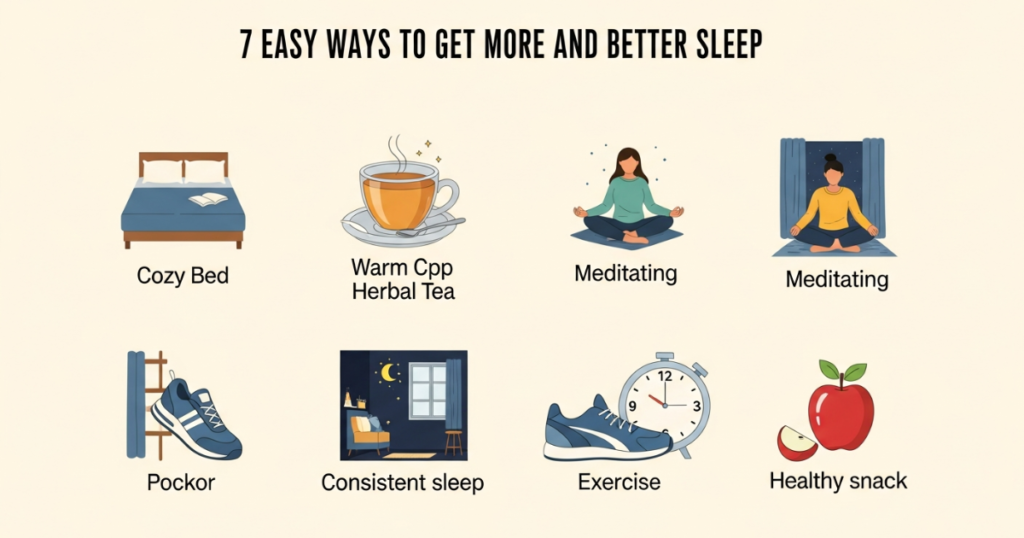
7 Easy Ways to Get More and Better Sleep
Better sleep comes from consistent habits. Building healthy sleep habits improves your body’s natural rhythm and helps you feel more alert during the day.
Focus on reducing caffeine intake, limiting alcohol consumption, and improving your diet before bedtime. These small lifestyle shifts support deeper rest and help your body maintain steady, healthy sleep patterns.
How to Build a Healthy Bedtime Routine
A strong bedtime routine signals your body that it’s time to rest. Consistency matters more than perfection, so aim for sleep schedule consistency every night.
Simple actions like reading before bed, journaling at night, or practicing meditation before sleep help calm your mind. Adding a warm bath before sleep or gentle relaxation techniques can make falling asleep feel natural and easy.
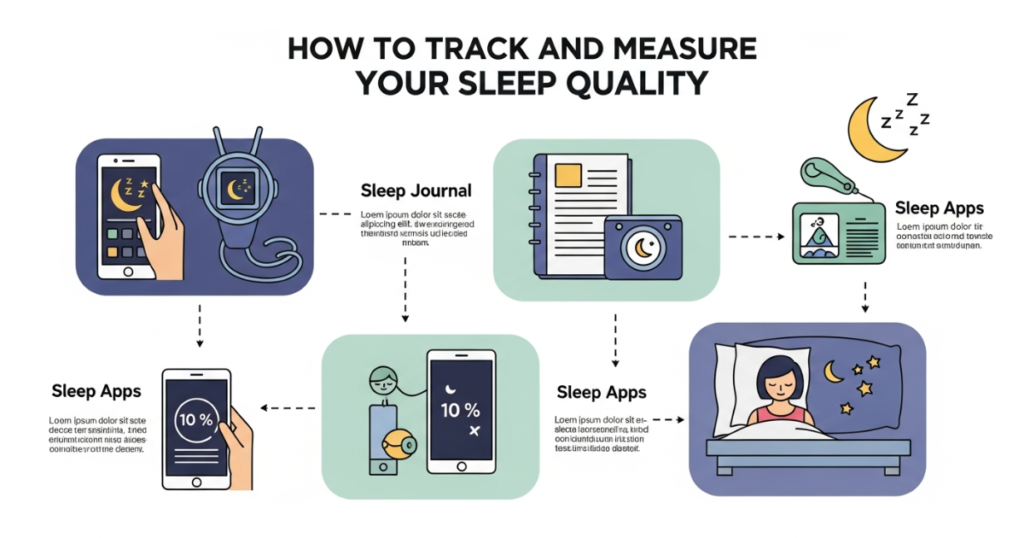
How to Track and Measure Your Sleep Quality
Tracking sleep helps you understand patterns and improve habits. Monitoring your recommended sleep hours and consistency can reveal hidden issues affecting your rest.
You can use apps, wearables, or even a journal to track your sleep. Focus on how often you wake up, how long you sleep, and whether you feel waking up refreshed each morning.
| Sleep Metric | What It Means |
| Sleep Duration | Total hours slept |
| Sleep Quality | Deep vs light sleep balance |
| Wake Frequency | How often you wake at night |
| Sleep Consistency | Regular sleep schedule |
Final Thoughts The Key to Restful and Healthy Sleep
Finding out how many hours of sleep you truly need is personal, but science gives a clear guide. Following adult sleep recommendations and staying within a healthy sleep range supports long-term health.
When you improve sleep, you improve everything. From stronger focus to better mood, quality rest helps you live fully. Start small, stay consistent, and your body will reward you with better energy and lasting wellness.
FAQ
1. Does sleep affect A1C levels?
Yes, poor sleep can raise blood sugar levels, which may increase A1C over time.
2. Do some people really need 12 hours of sleep?
A few people may need more sleep, but 12 hours regularly is uncommon and could signal a health issue.
3. How many hours of sleep do we realistically need?
Most people need about 7–9 hours of sleep per night for good health.
4. How many hours does Elon Musk sleep?
Elon Musk has said he usually sleeps around 6 hours per night.
5. Who sleeps for 90% of the day?
Some animals like koalas sleep up to 18–22 hours a day, which is close to 90%.

I help websites rank higher, grow traffic, and look amazing. My goal is to make SEO and web design simple and effective for everyone.
As a digital marketer, I specialize in SEO, content strategy, and online growth, helping businesses build a strong digital presence and reach the right audience.
Let’s achieve more together