

Have you ever grabbed a bottle of apple cider vinegar and thought when should I actually drink this? You’re asking the right question. Millions of Americans add ACV to their daily routine but never nail down the timing. Here’s the truth when is the best time to take apple cider vinegar depends entirely on your health goal.
Want to lose weight? Improve digestion? Control blood sugar levels? Each goal points to a different ideal time. Made from fermented apples, ACV is more than just a kitchen staple. This guide gives you clear, research-backed answers no confusion, no fluff. Let’s get into it.

What Is Apple Cider Vinegar?
Apple cider vinegar is made from fermented apples. Crushed apples are first mixed with yeast, which turns the natural sugars into alcohol. Then bacteria convert that alcohol into acetic acid the sharp, tangy compound that gives ACV its signature bite. It’s been used in American kitchens for centuries, both as a salad dressing ingredient and as a folk remedy.
What makes raw, unfiltered ACV different is something called “the mother.” This cloudy, web like substance floats at the bottom of the bottle. It contains proteins, enzymes, and beneficial bacteria. Many health experts believe “the mother” is where most of ACV’s health power comes from. Always shake the bottle before using it.
How Is Apple Cider Vinegar Made?
The process starts simple. Apples are crushed and their juice is extracted. Yeast is added to begin fermentation, converting sugars to alcohol over several weeks. Then a second fermentation happens bacteria turn that alcohol into acetic acid, creating the final product we know as apple cider vinegar.
Types of Apple Cider Vinegar
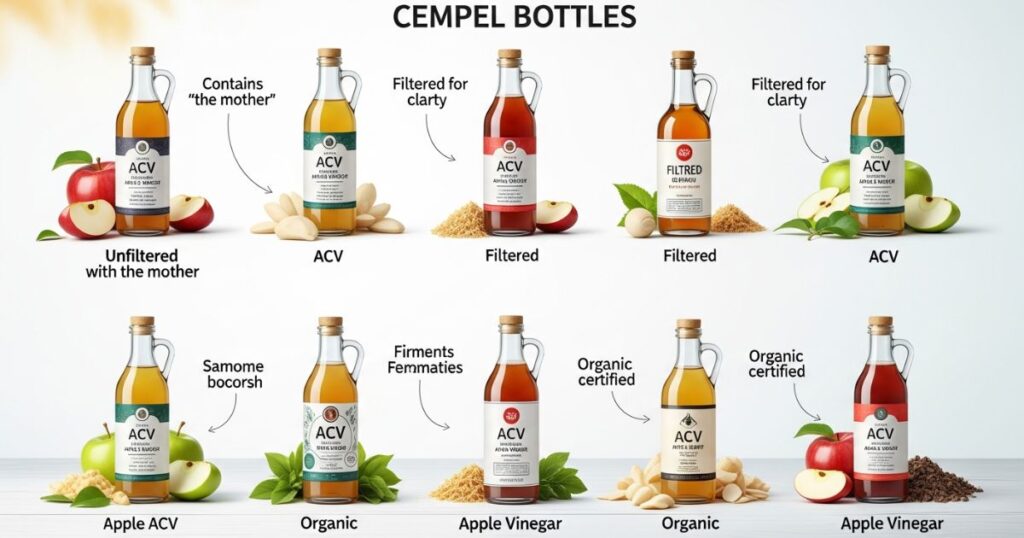
Not all apple cider vinegar is created equal. Walk down any American grocery aisle and you’ll see filtered, unfiltered, organic, and pasteurized options. Filtered ACV is clear and mild great for cooking. Unfiltered, raw ACV still contains “the mother” and is the top choice for health purposes. Brands like Bragg are widely popular in the USA for this reason.
Pasteurized ACV has been heat-treated, which kills bacteria including the good kind. Raw apple cider vinegar skips that process, keeping its natural enzymes intact. If you’re using ACV as a dietary supplement rather than just a flavor booster, always go for raw and unfiltered.
| Type | Contains “The Mother” | Best For |
| Filtered ACV | ❌ No | Cooking, salad dressing |
| Unfiltered Raw ACV | ✅ Yes | Health and wellness |
| Pasteurized ACV | ❌ No | Long shelf life, mild flavor |
| Organic ACV | ✅ Yes | Clean eating, supplement use |
Apple Cider Vinegar Benefits
The health world loves apple cider vinegar and for good reason. Research shows it may help regulate blood sugar, support digestive health, and aid in weight management. It also carries natural antimicrobial properties, meaning it can fight harmful bacteria. Studies have shown that acetic acid disrupts the cell membranes of certain pathogens, making ACV a natural defense tool.
Clinical trials on ACV are still limited, but what exists is promising. A widely cited study found that consuming ACV before meals helped lower post-meal blood sugar levels in healthy adults. Another study linked regular ACV intake to modest reductions in body weight and belly fat over 12 weeks. These aren’t miracle results but they’re real, measurable improvements.
Blood Sugar Regulation
Acetic acid in ACV appears to slow the breakdown of starches in the gut. This means glucose enters your bloodstream more gradually after a meal. The result? Fewer blood sugar spikes. This benefit is especially significant for people managing insulin resistance or type 2 diabetes.
Apple Cider Vinegar Benefits for Females
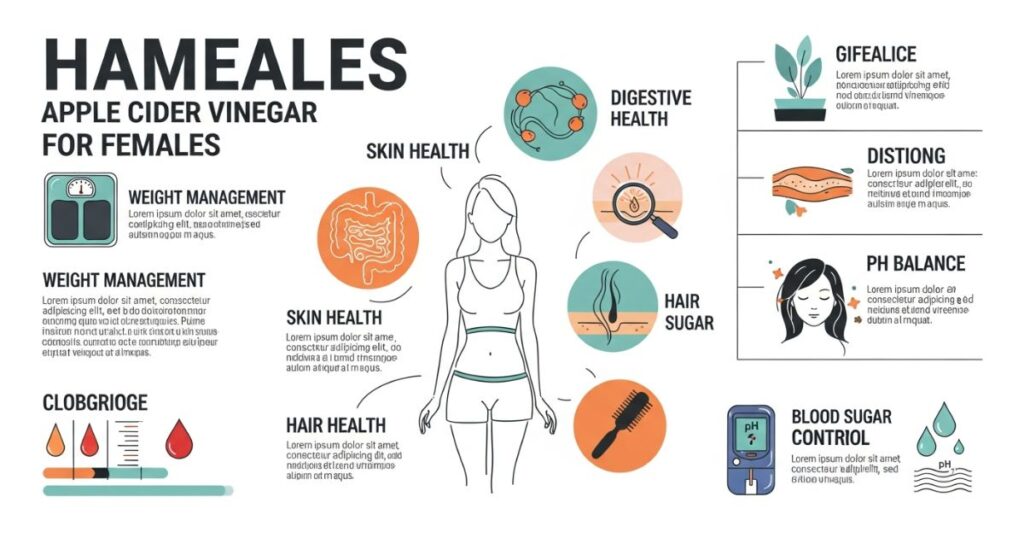
Women across the USA are turning to apple cider vinegar for reasons beyond weight loss. One small but noteworthy study involving seven women with PCOS (Polycystic Ovary Syndrome) found that daily ACV intake helped restore ovarian function and regulate the menstrual cycle after just 110 days. While seven participants is a tiny sample, the results sparked wider interest in ACV’s hormonal effects.
Another interesting area involves vaginal yeast infections. A published case report documented a patient with chronic infections who used diluted ACV topically and saw significant improvement. These are early findings, not confirmed cures. But they highlight why so many women are exploring apple cider vinegar as a complementary wellness tool. Always consult a healthcare provider before self-treating any condition.
ACV and PCOS
PCOS disrupts hormonal balance, often causing irregular periods and fertility challenges. The theory is that ACV helps by improving insulin resistance, which plays a major role in PCOS. By stabilizing blood sugar and reducing insulin spikes, ACV may indirectly support hormonal regulation. More large-scale clinical trials are urgently needed in this space.

When Is the Best Time to Take Apple Cider Vinegar?
So when is the best time to take apple cider vinegar? The honest answer is: it depends on what you want from it. For blood sugar control, taking it before meals shows the most research support. For fasting blood sugar reduction, some studies point to bedtime as effective. For a morning metabolism boost, many Americans swear by taking it first thing on an empty stomach.
There’s no one-size-fits-all answer here. When to take ACV really comes down to your personal health goal. If you have type 2 diabetes, nighttime may work better. If you’re chasing weight loss, a pre-meal dose is your best bet. The table below makes this easy to understand at a glance.
| Time of Day | Potential Benefit | Best For |
| Morning (empty stomach) | Metabolism boost, detox | Energy, weight loss |
| Before meals | Appetite control, blood sugar | Digestion, diabetes |
| Before bed | Lowers fasting blood sugar | Type 2 diabetes |
| After meals | Minimal evidence | Not recommended |
Should You Drink Apple Cider Vinegar in the Morning or at Night?
Morning drinkers love ACV before bed wait, scratch that. Morning lovers swear that drinking apple cider vinegar on an empty stomach kickstarts digestion, fires up metabolism, and sets a healthy tone for the day. And there’s some logic to it. Drinking ACV in the morning may help your body reduce appetite throughout the day, leading to naturally lower calorie intake by dinner.
Nighttime ACV has its own fan base too especially among people managing blood sugar levels. One study found that taking two tablespoons of ACV at bedtime reduced fasting blood sugar by up to 6% in people with type 2 diabetes. That’s a meaningful drop. However, for those without diabetes, nighttime ACV shows very little studied benefit. Pick your timing based on your actual goal.

Morning ACV The Fat-Burning Claim
Drinking apple cider vinegar first thing in the morning on an empty stomach is linked to faster fat mobilization throughout the day. The acetic acid may activate certain genes that encourage your body to break down stored fat. This is still early science but it’s why morning ACV routines have exploded across American wellness culture.
Should You Take Apple Cider Vinegar Before or After Meals?
ACV before meals is where the science is strongest. Multiple small clinical trials show that taking ACV 15–30 minutes before eating can slow stomach emptying, which means food moves more slowly from your stomach into your intestines. This creates a feeling of fullness faster and keeps you satisfied longer. It also prevents sharp glucose spikes after eating.
Taking ACV after meals? The evidence just isn’t there. Once food is already in your stomach and digestion has started, ACV has a much smaller window to affect glucose absorption. If digestive health and blood sugar are your goals, ACV before meals is clearly the smarter move. Timing really does matter here.
What the Clinical Studies Actually Say
A notable clinical trial published in the Annals of Nutrition & Metabolism showed that acetic acid significantly reduced post-meal blood sugar spikes in healthy subjects. Another older study often cited by researchers like Madeleine Steinbach in her nutrition writing showed that ACV slowed stomach emptying in 10 people with type 1 diabetes. Small studies, yes but consistently pointing in the same direction.
How Does Apple Cider Vinegar Help with Weight Loss?
Apple cider vinegar isn’t a magic weight loss pill. But it does offer real, science-backed support. The key player is acetic acid, which research suggests can suppress fat accumulation, boost metabolism, and curb appetite reduction all three of which nudge the scale in the right direction. A 12-week Japanese study found participants who took ACV daily lost more belly fat than those who didn’t.
The mechanism is fairly straightforward. Acetic acid reduces the rate at which your liver produces fat from sugar. It also signals your brain to promote fullness faster during a meal, so you naturally eat less. Think of ACV as a gentle assistant not a replacement for diet and exercise, but a useful weight loss supplement that makes healthy habits work a little harder for you.
Realistic Expectations What ACV Can and Can’t Do
Let’s be honest. ACV won’t melt fat overnight. What it can do is support weight management when combined with a calorie-conscious diet and regular movement. Most studies showing weight loss results used doses of 1–2 tablespoons per day for at least 8 weeks. Anything less and you’re unlikely to see meaningful change. Consistency is everything here.

How to Take Apple Cider Vinegar (With Water or Juice)
Dilution is non-negotiable. Drinking raw, undiluted ACV can seriously damage your tooth enamel and irritate your esophagus it’s that acidic. The standard recommendation is to dilute ACV in water: mix 1 tablespoon ACV into 8 ounces of water. That ratio keeps the acidity manageable while preserving the health benefits. Add a teaspoon of honey or a squeeze of lemon if the taste is too harsh.
If plain ACV water still isn’t your thing, you have solid options. ACV gummies, capsules, tablets, and powder are all widely available at American drugstores and online. These dietary supplement formats follow manufacturer guidelines on dosage, so read the label carefully. You can also sneak ACV into food as a salad dressing, a marinade base, or mixed into a smoothie. The flexibility is one of ACV’s biggest advantages.
ACV Supplements Gummies, Capsules, and Powder
ACV gummies have exploded in popularity in the USA partly because they taste nothing like vinegar. Capsules and tablets offer precise dosing without any taste at all. Powder form lets you mix ACV into drinks or food flexibly. Each format delivers acetic acid in different concentrations, so always follow manufacturer guidelines to avoid over-consumption. Don’t assume more equals better.
How Much Apple Cider Vinegar Should You Take Per Day?
The sweet spot for most healthy adults is 15 ml per day that’s exactly 1 tablespoon ACV diluted in water. Some research uses up to 30 ml (two tablespoons) per day, split between morning and before dinner. Going above that threshold increases your risk of side effects without adding proportional benefit. More is not better when it comes to apple cider vinegar.
For results specifically weight management or blood sugar improvements most studies require participants to supplement for 8 weeks minimum before seeing measurable change. Patience matters. Don’t judge ACV’s effectiveness after three days. Commit to a consistent daily routine, track how you feel, and reassess after two months. The table below summarizes recommended amounts by format.
| ACV Form | Recommended Daily Amount | Notes |
| Liquid ACV | 1–2 tbsp (15–30 ml) | Always dilute in 8 oz water |
| Capsules/Tablets | Per label | Varies by brand concentration |
| ACV Gummies | Per label | Check sugar content |
| Powder | Per label | Mix into drinks or food |
| Duration | Minimum 8 weeks | For measurable results |
Other Uses of Apple Cider Vinegar
Beyond drinking it, apple cider vinegar pulls serious weight around the house. Diluted ACV makes an effective natural surface cleaner its acidity kills common household bacteria without harsh chemicals. Many Americans use it on kitchen counters and bathroom surfaces as a greener alternative to commercial disinfectants. It’s budget-friendly and biodegradable.
Skin and hair care are two more surprising ACV arenas. Used as a diluted skin toner, ACV helps balance your skin’s pH and may reduce acne-causing bacteria. For hair, rinsing with diluted ACV after shampooing can restore shine, reduce dandruff, and soothe an irritated scalp. In the kitchen, it’s a versatile salad dressing and marinade base that adds depth and tang to everything from coleslaw to grilled chicken.
Potential Side Effects and Precautions
ACV isn’t perfect for everyone. Its high acidity is the biggest concern. Drinking it undiluted or in excess can erode tooth enamel over time, cause throat irritation, and upset your stomach. People with gastroparesis (delayed stomach emptying) should be especially cautious, since ACV further slows digestion and can worsen symptoms significantly.
Drug interactions are another real concern. ACV can interfere with insulin and diuretic medications, potentially causing dangerously low potassium levels. Anyone managing type 1 diabetes or type 2 diabetes with medication should speak to their doctor before adding ACV to their routine. Pregnant or breastfeeding women should also seek medical guidance first. ACV is generally safe but context matters enormously.
⚠️ Important: Always dilute ACV in water before drinking. Never consume it straight. If you’re on medication or have a chronic health condition, consult your healthcare provider before starting any ACV routine.
Who Should Avoid Apple Cider Vinegar?
People with active ulcers, acid reflux, or chronic kidney disease should avoid ACV entirely. Its acidity can aggravate these conditions quickly. Those on blood-thinning medications, diuretics, or insulin should also check with their doctor first. ACV’s interaction with certain drugs particularly those affecting blood sugar can create unexpected complications that outweigh any potential benefit.

Does Apple Cider Vinegar Go Bad?
Great news apple cider vinegar has an impressively long shelf life. Thanks to its natural acidity, ACV is essentially self-preserving. An unopened bottle can last 5 years or more. Once opened, it stays good for about 2 years when stored properly. The high acid environment makes it nearly impossible for harmful bacteria to grow inside the bottle.
Store your ACV in a cool, dark place a pantry or cabinet away from your stove works perfectly. You don’t need to refrigerate it. Over time, you might notice more sediment forming at the bottom that’s just “the mother” settling and is completely harmless. Signs that something’s genuinely wrong include a dramatically different color, an off smell beyond the usual tartness, or visible mold. Those situations are rare but worth checking.
| Storage Factor | Recommendation |
| Location | Cool, dark pantry or cabinet |
| Temperature | Room temperature is fine |
| Refrigeration | Not required |
| Opened shelf life | Up to 2 years |
| Unopened shelf life | 5+ years |
| Signs it’s bad | Mold, unusual smell, color change |
Frequently Asked Questions (FAQ)
Can I drink apple cider vinegar every day? Yes most healthy adults can safely drink apple cider vinegar daily. Stick to 1 tablespoon ACV diluted in 8 ounces of water per day. Always use a straw to protect your tooth enamel. Stop use immediately if you notice digestive discomfort or throat irritation.
When is the best time to take apple cider vinegar for weight loss? For weight loss, taking ACV 15–30 minutes before meals is your strongest option. It slows stomach emptying, promotes feeling of fullness, and helps regulate blood sugar levels after eating all of which support a calorie deficit naturally and consistently.
Is it safe to drink ACV on an empty stomach? For most people, yes in diluted form. Some find it causes mild nausea when taken on an empty stomach first thing in the morning. If that happens to you, take it 20 minutes before your first meal instead. Listen to your body. Discomfort is a sign to adjust your approach.
How long does it take for ACV to show results? Expect to supplement for 8 weeks before seeing meaningful changes. This applies to weight management, blood sugar improvements, and digestive benefits. Short-term use rarely produces visible results. Consistency over weeks not days is what makes the difference.
Can apple cider vinegar replace medication for diabetes? Absolutely not. ACV may complement diabetes management by helping regulate blood sugar — but it is not a substitute for prescribed medication. Anyone with type 1 diabetes or type 2 diabetes must continue their treatment plan and consult their doctor before adding ACV to their routine.
Key Takeaways
When is the best time to take apple cider vinegar? Based on current research, taking it before meals offers the most consistent benefits for the most people especially for those targeting blood sugar levels, appetite reduction, and weight management. Morning ACV on an empty stomach works well for metabolism support. Bedtime ACV helps reduce fasting blood sugar in people with type 2 diabetes.
No matter when you take it, always dilute ACV in water the standard dose is 1 tablespoon ACV in 8 ounces of water per day. Give it at least 8 weeks before judging results. Use ACV gummies, capsules, or tablets if the taste is too much to handle. And most importantly talk to your healthcare provider if you have any underlying health condition before starting. Apple cider vinegar is a powerful tool when used correctly.
Disclaimer: This article is for informational purposes only and does not constitute medical advice. Always consult a licensed healthcare professional before making changes to your diet or supplement routine.

I help websites rank higher, grow traffic, and look amazing. My goal is to make SEO and web design simple and effective for everyone.
As a digital marketer, I specialize in SEO, content strategy, and online growth, helping businesses build a strong digital presence and reach the right audience.
Let’s achieve more together