
Falling asleep fast when anxious can feel like an impossible task, especially when Your mind won’t stop working at night. Many people struggle with nighttime anxiety sleep, Where racing thoughts and stress make it difficult to rest. However, with the right approach, you can fall asleep fast without forcing it. By using proven calming techniques for sleep and building better sleep habits, your body naturally relaxes.
The key is to understand what triggers anxiety and how to respond effectively. Once you apply simple and practical strategies, you can reduce stress, quiet your mind, and finally enjoy deep, refreshing sleep without frustration or constant wakefulness.
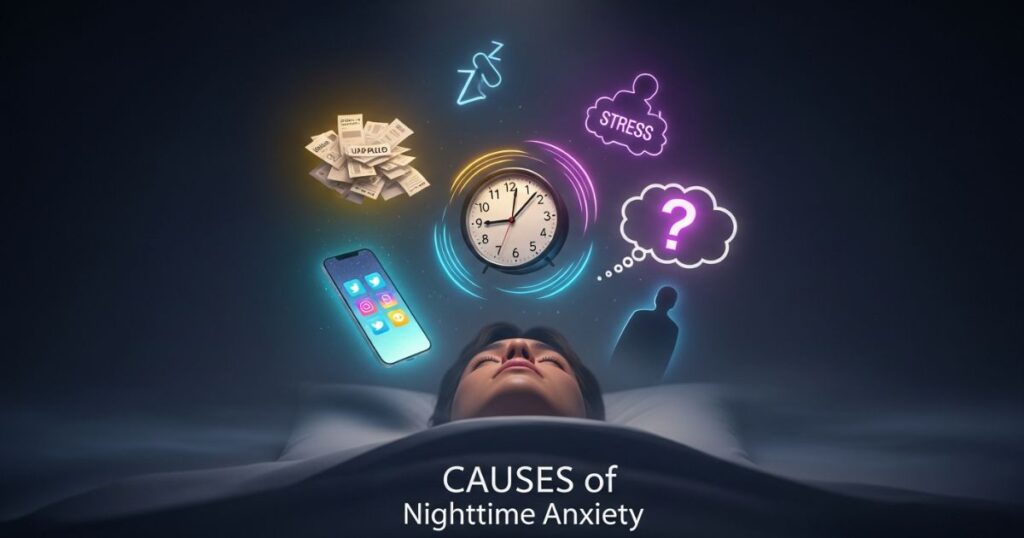
What Causes Anxiety at Night?
Your brain becomes louder when the world gets quiet. This is why anxiety at night often feels stronger than during the day. Thoughts that you ignored previously return, causing overthinking before bedtime and emotional stress.
Another key factor is stress and sleep imbalance. When stress builds up, it leads to mental fatigue, making it harder to relax. Poor sleep habits and a lack of mental relaxation before bed exacerbate the problem.
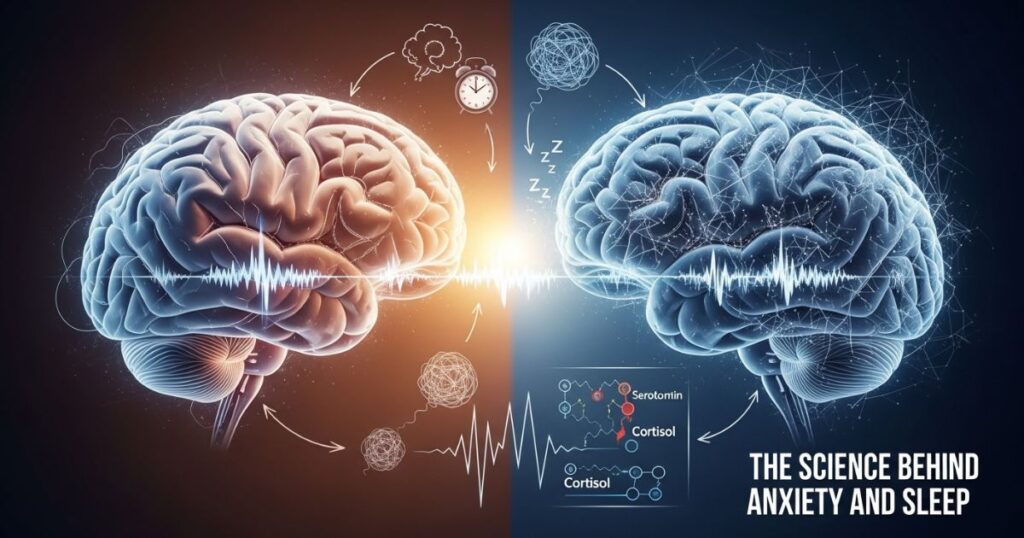
The Science Behind Anxiety and Sleep
Your body follows a natural clock called the circadian rhythm, which controls your sleep cycles and sleep duration. Anxiety disrupts this system, reducing sleep quality and delaying deep rest stages like REM sleep.
When your brain senses danger, it triggers a relaxation response failure. This keeps your body alert even if you’re tired. Over time, this creates insomnia symptoms and makes it harder to reduce sleep anxiety naturally.
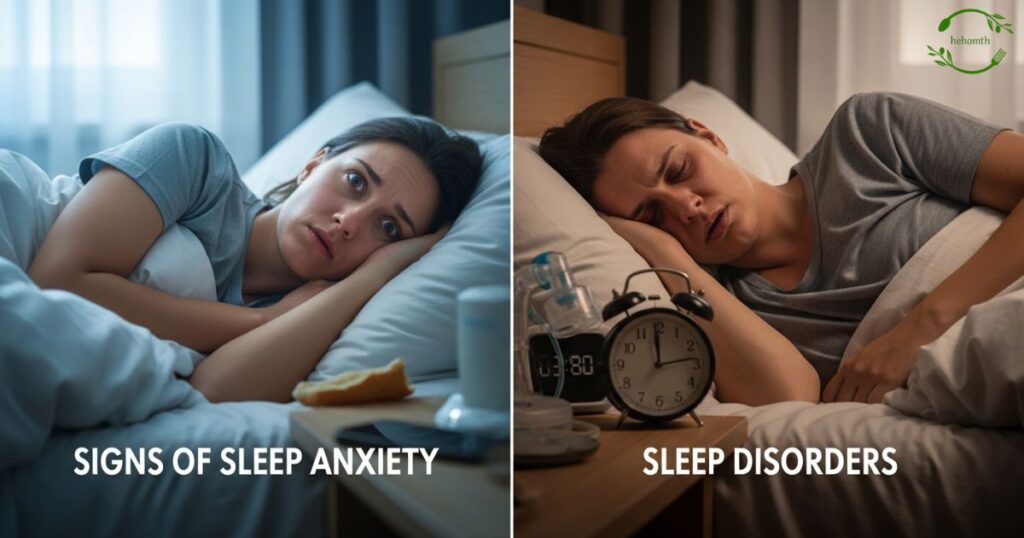
Signs of Sleep Anxiety vs Sleep Disorders
Sleep anxiety is the constant worry about falling asleep. You may notice restlessness, racing thoughts, and the fear of staying awake. These are common signs of sleep anxiety, not always clinical insomnia.
However, sleep disorders show deeper issues. Insomnia symptoms include long-term sleep trouble, frequent waking, and poor rest. Recognising the difference allows you to choose the best insomnia relief tips and avoid aggravating your condition.
What Happens If You Don’t Sleep Properly?
Sleep deprivation quickly affects both your mind and body. You may feel fatigue and irritability, experience low concentration, and struggle with daily tasks. These are common sleep deprivation side effects that lower productivity.
Lack of sleep over time raises major risks. Studies link it to depression and anxiety risk, as well as heart disease risk. That’s why improving sleep is not optional. It is essential for a healthy sleep lifestyle.
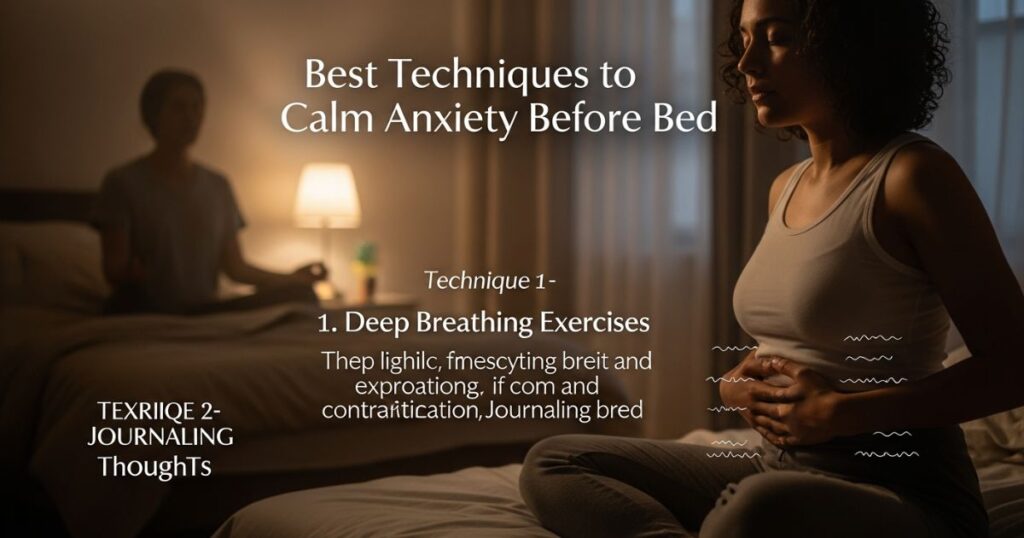
Best Techniques to Calm Anxiety Before Bed
Creating a calm pre-sleep routine allows your brain to slow down. Start with simple relaxation for sleep, such as reading or light stretching. These habits encourage better sleep and prepare your body for rest.
Another powerful method is journaling. Writing down your thoughts helps to reduce overthinking and promotes mental relaxation before bedtime. Combined with proper sleep hygiene tips, these steps help you fall asleep fast more easily.
Proven Methods to Fall Asleep Fast (10–120 Seconds)
Some techniques are surprisingly fast. The military method sleep trains your body to relax deeply, while the 4-7-8 breathing technique slows your heart rate. Both are highly effective deep sleep techniques.
Other options include progressive muscle relaxation and the visualization technique. Try paradoxical intention, which reduces pressure to sleep. Even acupressure points for sleep may support how to sleep instantly.
| Method | Time Needed | Benefit |
| Military Method | 120 sec | Full body relaxation |
| 4-7-8 Breathing | 60 sec | Calm nervous system |
| PMR | 2–5 min | Muscle tension release |
Simple Night Habits to Reduce Anxiety Naturally
Small habits create big results. Avoid checking the clock because it increases stress and anxiety. Instead, focus on sleep routine habits that build consistency every night.
If you can’t sleep, get out of bed briefly. This clears your mind and lowers frustration. These simple steps improve sleep faster naturally results and help you improve sleep quality over time.
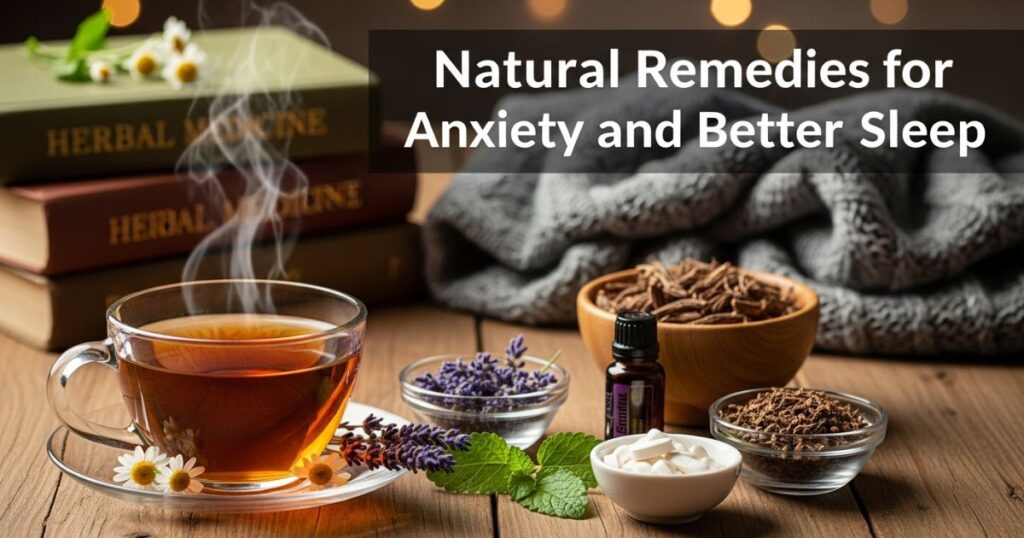
Natural Remedies for Anxiety and Better Sleep
Natural support can help improve your routine. Magnesium, herbal tea, and breathing exercises are common natural sleep solutions that calm the body without side effects.
Daily actions also matter. Practicing daily exercise for sleep, getting sunlight exposure, and learning to reduce caffeine intake all contribute to better rest. These habits promote a healthy sleep schedule. How to Create the Perfect Sleep Environment
Your bedroom should feel like a sleep sanctuary. A dark room for sleep helps your brain release melatonin, while a quiet sleeping environment prevents interruptions.
Comfort is equally important. A comfortable bed setup improves posture and relaxation. Also, try to reduce screen time before bed. These steps lead to real sleep environment improvement and deeper rest.
When Should You Seek Professional Help?
Sometimes, home methods are not enough. If anxiety becomes severe or sleep problems last weeks, it may indicate deeper issues like chronic insomnia or mental health conditions.
Doctors can identify underlying causes and offer treatment. Early intervention can prevent long-term damage and restore healthy sleep hygiene habits before the condition worsens.
Quick Tips to Fall Asleep Instantly (Recap)
Consistency is key to good sleep. Focus on simple quick sleep methods, maintain strong routines, and practice daily relaxation. These actions make it easier to fall asleep fast without stress.
If sleep is still difficult, review your habits and environment. Even small changes can break the cycle of anxiety and help you enjoy peaceful, natural rest every night.
FAQs
How to fall asleep when stressed?
Use calming techniques like deep breathing, journaling, and reducing screen time to relax your mind before bed.
Is sleep anxiety a thing?
Yes, sleep anxiety is real and happens when you feel stressed or worried about falling asleep.
What is the 3-3-3 rule for sleep?
It’s a grounding method where you name 3 things you see, hear, and feel to calm your mind before sleep.
What is the military sleep method?
It’s a technique that relaxes your body step by step to help you fall asleep in about 2 minutes.
Why won’t my body let me sleep?
Stress, anxiety, poor habits, or too much screen time can keep your brain alert and block sleep.

I help websites rank higher, grow traffic, and look amazing. My goal is to make SEO and web design simple and effective for everyone.
As a digital marketer, I specialize in SEO, content strategy, and online growth, helping businesses build a strong digital presence and reach the right audience.
Let’s achieve more together
1 thought on “How to Fall Asleep Fast When Anxious Proven Night Anxiety Solutions”