
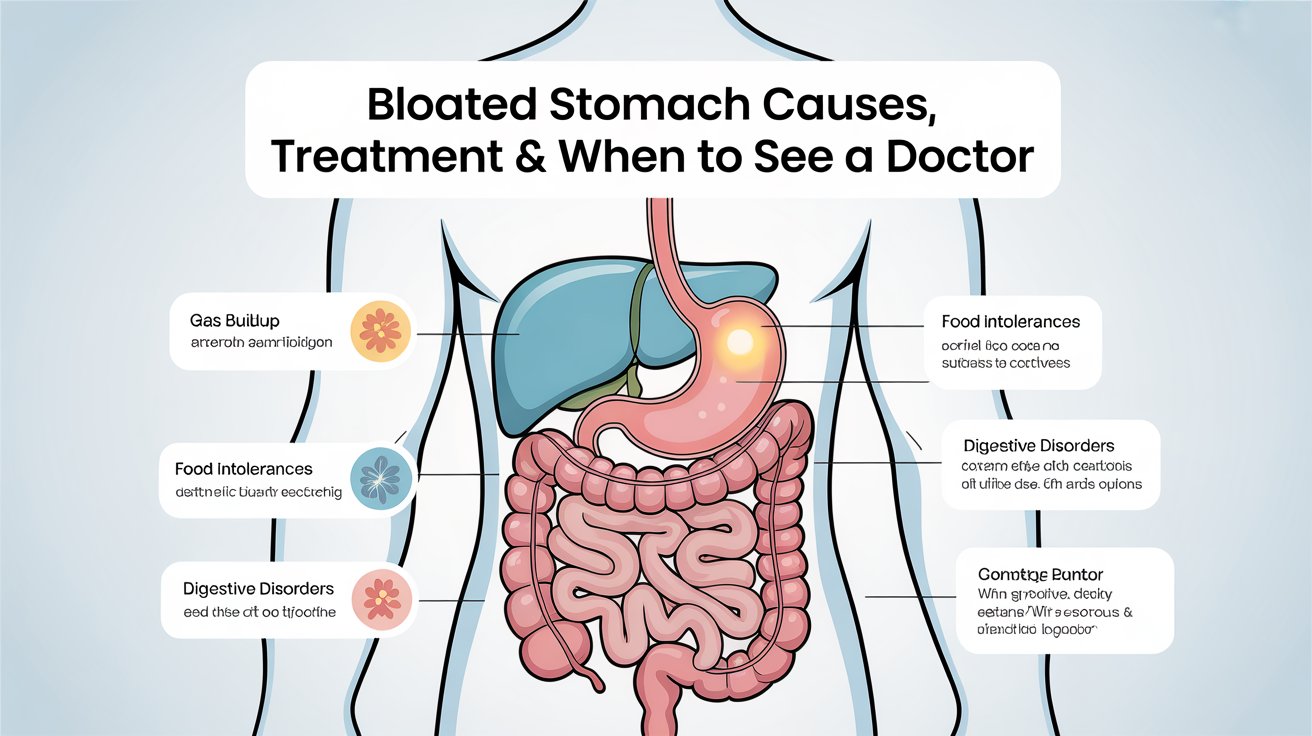
A bloated stomach can make you feel uncomfortable, heavy, and tight after eating or throughout the day. This common digestive issue may happen because of overeating, gas buildup, food intolerances, or underlying health conditions. Many people experience occasional bloating, but frequent symptoms can affect daily life and overall well-being.
Understanding the main bloated stomach causes is important for finding the right treatment and preventing future discomfort. Poor digestion, abdominal swelling, constipation, stress, and certain eating habits are often linked to bloating problems. In some cases, persistent bloating may indicate a more serious digestive disorder that requires medical attention. Learning the symptoms and triggers can help you manage stomach discomfort more effectively.
What Is Bloating and What Does It Feel Like?
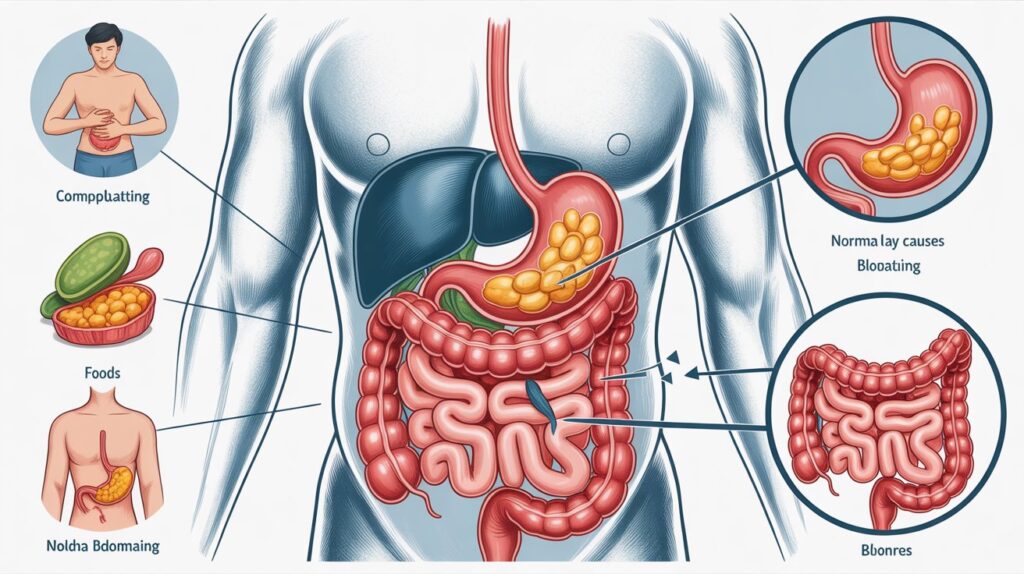
What is bloating from a medical standpoint? It’s excessive gas buildup or fluid retention causing your abdomen to feel distended and uncomfortable. Unlike gradual weight gain from fat accumulation, bloating appears suddenly and fluctuates throughout the day. Your digestive tract becomes stretched, creating that characteristic swollen stomach appearance that leaves you reaching for elastic waistbands.
The sensation varies considerably among individuals. Some describe intense stomach pressure resembling a balloon inflating inside their belly. Others experience cramping alongside persistent burping or the urgent need to pass gas. What does bloating feel like for most people? Imagine wearing pants two sizes too small combined with an annoying full feeling even after eating modest portions.
Common Symptoms of Bloating
Recognizing bloating goes beyond just visual changes. Your clothing suddenly feels restrictive around the midsection, particularly after meals or as the day progresses. Many notice bowel habits changes including constipation or alternating patterns that disrupt normal routines. The abdominal pain ranges from mild annoyance to sharp discomfort that interferes with daily activities.
Audible gurgling sounds often accompany the visible swelling as gut bacteria ferment undigested food particles. Some individuals report indigestion with heartburn-like sensations, while others simply feel uncomfortably stuffed. Symptom tracking helps identify whether your bloating follows predictable patterns tied to specific foods, stress levels, or your menstrual cycle.
How Bloating Differs from Weight Gain
Bloating after eating appears within hours and typically resolves overnight or within a day. Genuine weight gain accumulates gradually over weeks and months, showing consistent measurements on the scale. Bloating causes temporary abdominal expansion that deflates, whereas fat distribution remains constant regardless of time or food intake.
Chronic bloating causes differ fundamentally from obesity-related belly enlargement. You might wake up with a flat stomach only to look six months pregnant by evening that’s bloating, not weight gain. Understanding this distinction prevents unnecessary panic and directs you toward appropriate interventions rather than ineffective diet plans.
Most Common Causes of Bloating
Why does bloating happen so frequently? Your body produces gas through two primary mechanisms: swallowing air during eating and bacterial fermentation in your intestines. Women experience bloating more often due to hormonal changes affecting gut motility and fluid retention patterns. Individual variation means your triggers might differ completely from your friend’s experience.
The gut microbiome trillions of bacteria populating your digestive tract plays starring roles in gas production. When certain fermentable carbs reach your colon undigested, resident bacteria feast on them, releasing hydrogen and methane gases. This normal digestive process becomes problematic when excessive gas accumulates faster than your body expels it.
Digestive Issues and Gas Buildup
Your small intestine and colon constantly produce gases during normal digestion. Healthy individuals pass gas 14-23 times daily without even noticing. Problems arise when slow digestion allows extended fermentation time, dramatically increasing gas volume. Gut sensitivity means some people feel normal gas quantities more intensely than others.
Bacterial overgrowth occurs when microbes migrate inappropriately into the small intestine, causing premature fermentation. This creates abdominal discomfort and visible distension even from modest food intake. Inflammation in the digestive tract can slow transit times, compounding the gas accumulation problem.
Hormonal Changes (Menstrual Cycle & Menopause)
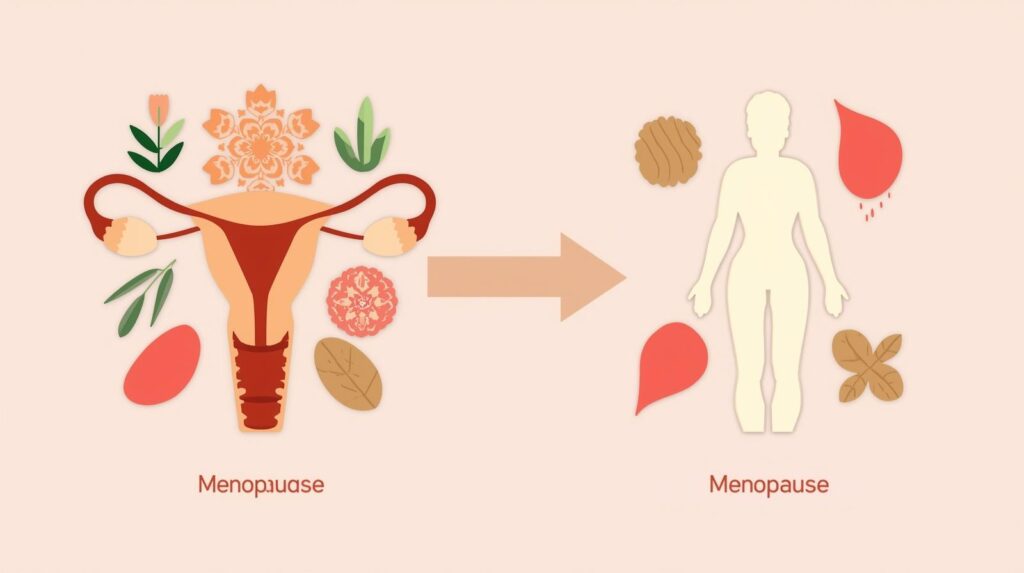
Why do I feel bloated before my period? Fluctuating estrogen and progesterone levels cause fluid retention and slow digestion during your luteal phase. Many women notice premenstrual bloating starting 3-5 days before menstruation begins. These hormonal changes also increase constipation risk, adding mechanical pressure to existing gas issues.
When does premenstrual bloating start varies individually but typically intensifies as menstruation approaches. Perimenopause brings unpredictable hormone surges that worsen bloating episodes. Understanding your menstrual cycle patterns through symptom tracking helps anticipate and manage these predictable swells.
Food Intolerances and Fermentable Carbs (FODMAPs)
What are FODMAPs? These fermentable oligosaccharides, disaccharides, monosaccharides, and polyols resist digestion in the small intestine. When they reach your colon, bacteria devour them enthusiastically, producing copious gas. FODMAP sensitivity doesn’t mean these foods are unhealthy it simply indicates your digestive system struggles processing them efficiently.
Lactose intolerance represents one common food intolerance affecting approximately 65% of adults globally. Without adequate lactase enzyme, dairy sugar ferments vigorously in your gut. Sugar alcohols like sorbitol and xylitol in sugar-free products also trigger intense bloating. A FODMAP diet for bloating systematically identifies your personal trigger foods through careful elimination and reintroduction.
Swallowed Air and Eating Habits
Eating quickly causes you to gulp significant air volumes alongside your food. This swallowed air (aerophagia) accumulates in your stomach, causing burping and upper abdominal distension. Drinking through straws, chewing gum, and consuming carbonated beverages all introduce extra air into your digestive system.
Large meals stretch your stomach capacity, slowing emptying rates and prolonging digestion time. Many people skip breakfast and lunch, then consume enormous dinners that overwhelm their digestive capacity. Smaller, evenly distributed meals throughout the day minimize this mechanical stretching effect.
Constipation and Digestive Contents
How does constipation cause bloating? When stool movement slows dramatically, fecal matter accumulates in your colon, creating physical obstruction. This backup allows extended fermentation time, multiplying gas production. The mechanical blockage prevents gas from escaping normally, trapping it painfully in your intestines.
Inadequate fiber intake and hydration contribute to sluggish transit times. However, suddenly increasing fiber without gradual adjustment often backfires, creating more gas initially. Gradual fiber increases paired with increased water consumption optimize bowel habits without triggering excessive bloating.
Medical Conditions That Cause Bloating
Can bloating be a sign of something serious? While most bloating stems from benign dietary or lifestyle factors, certain medical conditions warrant professional evaluation. Persistent symptoms unresponsive to basic interventions deserve thorough investigation. A GI specialist can perform diagnostic testing to identify underlying digestive issues requiring targeted treatment.
Gut sensitivity varies tremendously among individuals. Some people tolerate significant gas volumes comfortably, while others experience severe abdominal pain from normal amounts. Medical conditions often involve additional symptoms beyond simple bloating weight changes, altered bowel patterns, or systemic symptoms suggesting more complex problems.
Irritable Bowel Syndrome (IBS)
Irritable Bowel Syndrome (IBS) affects 10-15% of Americans, causing recurring abdominal pain linked to bowel habits changes. IBS diagnosis requires specific symptom criteria including pain relief with defecation and onset associated with stool frequency or consistency changes. What triggers IBS varies individually stress, specific foods, hormonal changes, or infections can initiate flares.
IBS bloating treatment emphasizes identifying personal triggers through detailed food logs and symptom tracking. The low FODMAP diet for bloating shows impressive success rates for IBS patients. Probiotics targeting specific strains like Bifidobacterium may reduce gas production and improve overall comfort levels.
Acid Reflux and Indigestion
Acid reflux creates upper abdominal fullness and bloating alongside classic heartburn symptoms. Delayed gastric emptying allows food to linger uncomfortably, fermenting and producing gas. Indigestion following meals especially fatty or spicy foods signals potential motility problems requiring attention.
GERD (gastroesophageal reflux disease) often coexists with bloating complaints. The lower esophageal sphincter dysfunction allows stomach contents to reflux while simultaneously slowing overall digestive transit. Managing reflux through dietary changes and medications often improves accompanying bloating symptoms.

Serious Health Conditions to Watch For
When is bloating serious enough to demand immediate evaluation? Ovarian cancer sometimes presents initially with vague bloating and pelvic pain particularly concerning when accompanied by abnormal bleeding. Celiac disease causes severe bloating alongside inflammation and malabsorption when gluten triggers autoimmune intestinal damage.
Inflammatory bowel diseases like Crohn’s or ulcerative colitis involve chronic bloating causes plus bloody stools, weight loss, and systemic symptoms. Pancreatic insufficiency prevents proper nutrient breakdown, causing severe bloating and oily stools. These conditions require specialized testing and treatment from a GI specialist.
| Condition | Key Features | Associated Symptoms | When to Suspect |
| IBS | Recurring abdominal pain | Altered bowel habits | Pain improves after defecation |
| Celiac Disease | Gluten-triggered inflammation | Diarrhea, weight loss | Symptoms after wheat/barley/rye |
| Ovarian Cancer | Pelvic mass | Abnormal bleeding, early satiety | Persistent bloating over 50 |
| IBD | Intestinal inflammation | Bloody stools, fever | Progressive symptoms with weight loss |
Belching and Gas Understanding Excess Air
Burping serves a normal physiological function, releasing accumulated stomach gas through your esophagus. Most people belch occasionally without concern. Excessive eructation over 30 times daily suggests problematic air swallowing or underlying digestive dysfunction requiring investigation.
Upper versus lower gastrointestinal gas originates differently and exits through separate routes. Stomach gas primarily comes from swallowed air and exits via belching. Intestinal gas results from bacterial fermentation and escapes as flatulence. Understanding this distinction helps target appropriate interventions.
What Causes Excessive Belching
Behavioral patterns drive most excessive belching episodes. Anxiety and stress often trigger unconscious air swallowing throughout the day. Some individuals develop habitual throat-clearing patterns that gulp air repeatedly. Carbonated beverages introduce dissolved carbon dioxide that must escape somehow usually through forceful belching.
Eating quickly without proper chewing increases air intake dramatically. Talking while eating compounds this problem further. Certain people develop supragastric belching consciously or unconsciously sucking air into the esophagus then immediately expelling it, creating a troublesome cycle.
Flatulence and Intestinal Gas Buildup
Gut bacteria in your colon produce gases while breaking down fermentable carbs that escaped small intestine digestion. Hydrogen, methane, and carbon dioxide comprise most intestinal gases. Sulfur-containing compounds create the characteristic unpleasant odor associated with flatulence.
Individual gut microbiome composition dramatically affects gas production volumes. Some bacterial strains generate more gas than others. High-fiber diets increase healthy bacterial fermentation but also temporarily boost gas production. Your body typically adapts within 2-3 weeks as your microbiome adjusts.
Lifestyle Factors That Contribute to Bloating
Why does stress cause bloating so consistently? Your gut-brain axis creates bidirectional communication between your central nervous system and digestive tract. Stress hormones alter gut motility, slow digestion, and increase visceral sensitivity. Chronic stress literally changes how your intestines function.
Modern sedentary lifestyles compound digestive problems significantly. Sitting for extended periods reduces natural intestinal contractions that propel contents forward. Poor sleep disrupts circadian rhythms governing digestive hormone release, creating timing mismatches that impair normal function.
Stress, Sleep, and Gut Health
Can stress cause bloating? Absolutely. Cortisol and adrenaline release during stress responses redirect blood flow away from your digestive organs toward muscles preparing for fight-or-flight. This dramatically slows digestion, allowing extended fermentation and gas accumulation. Many people notice worse bloating during high-pressure work periods or personal crises.
Sleep deprivation disrupts your gut microbiome composition and diversity. Quality sleep supports healthy microbial populations and proper digestive timing. Aim for consistent 7-9 hour sleep schedules to optimize gut function. Reproductive health in women connects intimately with stress and sleep patterns, affecting menstrual symptoms including bloating.
Medications and Supplements That Cause Bloating
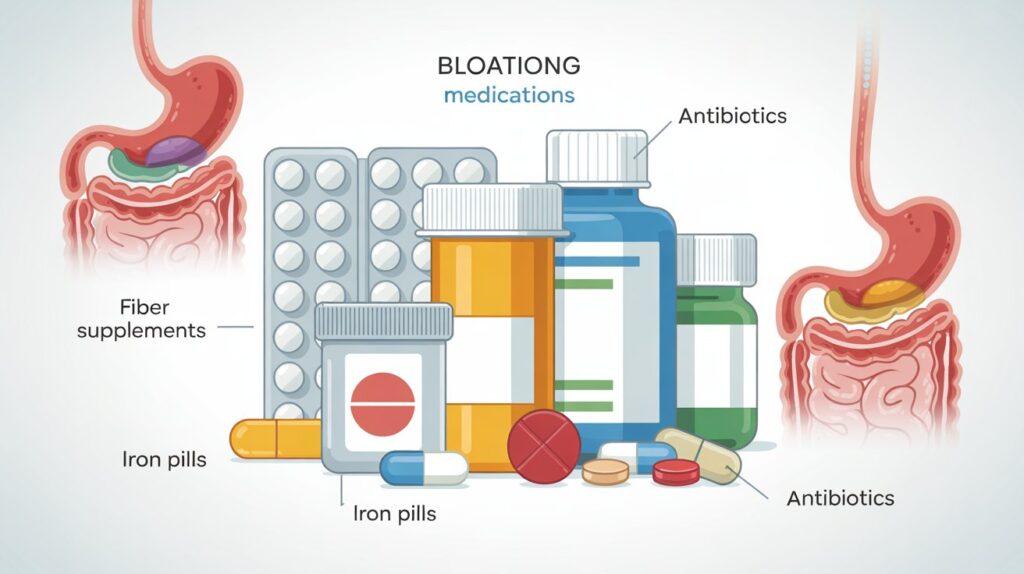
Can medications cause bloating? Many common prescriptions list bloating as a frequent side effect. Opioid pain relievers severely slow intestinal transit, causing constipation and trapped gas. Certain blood pressure medications, diabetes drugs, and antidepressants alter gut function through various mechanisms.
Iron supplements notoriously cause constipation and bloating, particularly non-heme iron formulations. Birth control pills containing synthetic hormones may increase fluid retention and digestive slowdown. Antibiotics devastate beneficial gut bacteria, allowing gas-producing strains to overpopulate temporarily. Always discuss persistent bloating with your prescriber alternative formulations often exist.
How to Treat and Reduce Bloating
How to treat bloating naturally starts with identifying your specific triggers through systematic observation. Symptom tracking paired with a detailed food log reveals patterns invisible otherwise. What works brilliantly for your neighbor might worsen your symptoms personalization matters enormously.
Evidence-based interventions show varying success rates depending on underlying causes. Dietary changes combined with lifestyle modifications yield better results than single-strategy approaches. Realistic expectations help most improvements require 2-4 weeks of consistent effort before becoming noticeable.
Dietary Changes That Help
A FODMAP diet for bloating involves three phases: strict elimination, systematic reintroduction, and personalization. During elimination, you avoid high-FODMAP foods for 2-6 weeks, allowing your gut to calm. Gradual reintroduction identifies which specific FODMAPs trigger your symptoms. Final personalization creates a sustainable eating pattern avoiding only problematic foods.
Portion control prevents overwhelming your digestive capacity. Smaller meals consumed every 3-4 hours maintain steady digestion without extreme stretching. Eating slowly with thorough chewing reduces swallowed air and initiates proper enzymatic breakdown. These simple habit changes alone resolve bloating for many people.
Home Remedies for Quick Relief
How to get rid of stomach bloating fast when discomfort strikes? Gentle abdominal massage moving clockwise encourages trapped gas movement toward exit routes. Peppermint tea relaxes intestinal smooth muscle, potentially easing cramping and facilitating gas passage. Heat application via heating pads soothes abdominal pain while promoting muscle relaxation.
Walking or light stretching stimulates natural gut motility, helping move gas through your system more efficiently. Certain yoga poses like child’s pose or wind-relieving pose specifically target bloating relief. Avoid lying down immediately after eating gravity assists proper digestion when you remain upright.
Managing Constipation-Related Bloating
Bloating and constipation relief requires addressing the underlying motility problem. Gradual fiber increases from whole fruits, vegetables, and grains add bulk that stimulates intestinal contractions. Sudden fiber jumps backfire, creating more gas initially. Increase by 5 grams weekly until reaching 25-35 grams daily.
Hydration proves essential fiber needs adequate water to function properly. Aim for half your body weight in ounces daily. Physical movement like brisk walking stimulates natural stool movement. Over-the-counter stool softeners help occasionally, but address root causes rather than relying on them long-term.
Premenstrual Bloating Solutions
Premenstrual bloating remedies work best when started before symptoms begin. Track bloating patterns relative to your menstrual cycle for 2-3 months to identify your typical timeline. Maintain consistent hydration and physical movement throughout your cycle, emphasizing the week before menstruation.
Limiting extremely salty foods reduces fluid retention exacerbation. Some women find natural diuretics like dandelion tea helpful. Regular exercise throughout your cycle not just during bloating weeks improves overall hormonal bloating relief. Consider discussing birth control options with your OB/GYN if hormonal swings severely impact quality of life.
Foods to Avoid and Foods That Help with Bloating
What foods cause bloating varies tremendously among individuals. Common culprits include beans, cruciferous vegetables like broccoli and cauliflower, onions, garlic, wheat products, and dairy for those with lactose intolerance. Sugar alcohols in sugar-free products cause intense bloating even in small quantities.
No food is universally bad context, portions, and preparation methods matter enormously. Cooking vegetables often reduces their gas-producing potential compared to raw consumption. Food combinations influence digestion fatty foods slow gastric emptying, potentially worsening bloating when combined with high-FODMAP items.
Common Food Triggers
High-FODMAP offenders include apples, pears, watermelon, asparagus, artichokes, beans, lentils, wheat, rye, dairy products, and sugar alcohols like sorbitol and xylitol. These aren’t inherently unhealthy they simply ferment vigorously in susceptible individuals. Carbonated beverages introduce gas directly while liquid calories may contain problematic fermentable carbs.
Artificial sweeteners like sucralose may alter gut bacteria composition, potentially worsening bloating over time. Fried foods and fatty meals delay gastric emptying significantly. Processed foods often contain hidden FODMAPs or gut-disrupting additives. Reading labels carefully prevents accidental trigger consumption.
Anti-Bloating Foods to Include
Foods that reduce bloating include easily digestible proteins like chicken, fish, and eggs. Low-FODMAP fruits like bananas, blueberries, and cantaloupe provide nutrients without excessive fermentation. Rice, quinoa, and oats offer gentle fiber intake most people tolerate well.
Fermented foods containing natural probiotics yogurt with live cultures, kefir, sauerkraut, kimchi support healthy gut microbiome balance. Ginger and peppermint possess natural digestive-soothing properties. Cucumber and celery provide hydration while containing minimal fermentable carbs. Fennel seeds have been used traditionally for gas relief across many cultures.
| Category | Foods to Limit | Better Alternatives | Why It Helps |
| Vegetables | Broccoli, cauliflower, onions | Carrots, zucchini, spinach | Lower FODMAP fermentation |
| Fruits | Apples, pears, watermelon | Bananas, berries, oranges | Less fructose load |
| Grains | Wheat bread, pasta | Rice, quinoa, gluten-free oats | Easier digestion |
| Dairy | Milk, ice cream | Lactose-free milk, hard cheese | Reduces lactose impact |
| Proteins | Processed meats | Chicken, fish, eggs | Cleaner digestion |
| Beverages | Soda, beer | Water, herbal tea | No carbonation |
Tips for Preventing Bloating
How to prevent bloating requires building sustainable daily habits rather than sporadic interventions. Consistency matters far more than perfection. Small incremental changes compound over weeks into significant improvements. Most people see noticeable results within 3-4 weeks of implementing comprehensive prevention strategies.
Long-term success demands honest symptom tracking and willingness to adjust approaches based on results. What worked initially may need modification as your body adapts or life circumstances change. Flexibility combined with persistence creates lasting relief.
Eating Habits to Adopt
Mindful eating means eliminating distractions during meals no phone scrolling, no TV watching. Focus entirely on your food, noticing flavors, textures, and satiety signals. Eat slowly, placing your utensil down between bites. This simple practice reduces swallowed air while improving digestion quality.
Chew each bite 20-30 times before swallowing. Thorough mastication breaks food into smaller particles requiring less intestinal fermentation. Establish regular meal schedules rather than erratic eating patterns. Your digestive system functions optimally with predictable timing. Creating calm eating environments reduces stress-induced digestive disruption.
Probiotics and Digestive Supplements
Can probiotics help with bloating? Research shows strain-specific benefits. Bifidobacterium infantis and Lactobacillus plantarum demonstrate particular promise for IBS-related bloating. Best probiotics for bloating contain multiple strains with CFU (colony-forming unit) counts exceeding 10 billion.
Digestive enzymes like lactase for dairy or alpha-galactosidase for beans help break down specific problematic foods. Quality matters enormously choose reputable brands with third-party testing. Give any probiotic 4-6 weeks before judging effectiveness. Stop immediately if symptoms worsen.
Daily prevention practices include morning hydration starting with 16 ounces of water upon waking. A 10-15 minute walk after main meals stimulates gut motility naturally. Stress management through meditation, yoga, or deep breathing exercises supports gut-brain axis health. Prioritizing 7-9 hours of quality sleep maintains proper digestive hormone rhythms. Keeping a detailed food diary helps identify subtle patterns easily missed otherwise. Limit salty foods to prevent fluid retention, especially before menstruation. Avoid carbonated drinks and drinking through straws to minimize swallowed air. Schedule consistent meal times rather than random eating patterns. Practice proper chewing technique with each bite. Maintain regular physical movement throughout your day, not just dedicated exercise sessions.
When to See a Doctor for Bloating
When to see a doctor for bloating isn’t always obvious. Most bloating resolves with lifestyle modifications within a few weeks. However, certain symptoms demand prompt professional evaluation. Schedule an appointment when bloating persists beyond four weeks despite dietary and lifestyle changes.
Trust your instincts about your body. If something feels genuinely wrong beyond typical discomfort, seek evaluation sooner rather than later. Early diagnosis of serious conditions dramatically improves treatment outcomes. Documentation of symptoms, timing, and associated factors helps your GI specialist reach accurate diagnoses faster.
Warning Signs That Need Medical Attention
When is bloating serious? Unexplained weight loss exceeding 10 pounds alongside bloating warrants immediate evaluation for malignancy. Blood in stools whether bright red or black tarry appearance never qualifies as normal. Severe abdominal pain that progressively worsens or prevents normal activities requires urgent assessment.
Persistent vomiting, especially with fever, suggests possible obstruction or infection. New constipation completely unresponsive to standard interventions after 1-2 weeks needs investigation. Feeling uncomfortably full after consuming only small portions regularly indicates potential gastric or intestinal problems. Bloating with pelvic pain combined with abnormal vaginal bleeding prompts OB/GYN evaluation to rule out medical conditions like ovarian masses.
How Your Doctor Can Help Diagnose the Cause
Comprehensive medical evaluation starts with detailed history-taking about symptom patterns, bowel habits changes, diet, medications, and family history. Physical examination includes abdominal palpation checking for masses, tenderness, or abnormal distension. Your doctor may perform initial blood tests screening for celiac disease, thyroid disorders, or inflammation markers.
Depending on findings, additional testing might include breath tests for lactose intolerance or bacterial overgrowth, stool studies ruling out infections or inflammation, abdominal imaging via ultrasound or CT scan, or endoscopic procedures visualizing your digestive tract directly. A thoughtful stepwise approach avoids unnecessary testing while ensuring serious conditions aren’t missed. IBS diagnosis often occurs after excluding other explanations through this systematic evaluation.
Frequently Asked Questions About Bloating
Why am I bloated every day?
Why am I bloated every day despite seeming to eat normally? Daily chronic bloating causes often stem from unrecognized food intolerances, FODMAP sensitivity, or gut microbiome imbalances. Many people consume problematic foods repeatedly without connecting them to symptoms. Hidden sources like wheat in sauces or lactose in unexpected products accumulate throughout the day.
Underlying medical conditions like IBS, slow digestion from medication side effects, or gut sensitivity disorders cause persistent symptoms. Stress and poor sleep create ongoing digestive dysfunction. Comprehensive symptom tracking paired with systematic dietary elimination helps identify daily patterns. Persistent daily bloating unresponsive to basic interventions deserves GI specialist evaluation.
Can bloating be a sign of something serious?
Can bloating be a sign of something serious? While most bloating stems from benign causes, certain warning signs warrant concern. Ovarian cancer occasionally presents initially as vague abdominal bloating, particularly in women over 50. Colon cancer may cause progressive bloating alongside bowel habits changes and unexplained weight loss.
Severe inflammation from Crohn’s disease or ulcerative colitis involves bloating plus bloody diarrhea. Pancreatic insufficiency or celiac disease create malabsorption with profound bloating. Ascites fluid accumulation from liver disease or cancer causes progressive abdominal swelling. However, these serious conditions almost always include additional symptoms beyond isolated bloating. Statistical reassurance: over 95% of bloating complaints arise from functional digestive issues rather than life-threatening diseases.
How long does bloating last?
How long does bloating last depends entirely on the underlying cause. Bloating after eating from excessive swallowed air or simple overeating typically resolves within 2-4 hours as digestion progresses. Food-triggered bloating from FODMAP sensitivity may persist 6-12 hours as fermentation continues through your intestines.
Hormonal bloating associated with menstrual cycle fluctuations usually lasts 3-7 days surrounding menstruation. Constipation-related bloating persists until stool movement resumes normally. Chronic bloating from IBS or ongoing dietary triggers continues indefinitely without intervention. Most people notice significant improvement within 2-4 weeks after implementing appropriate dietary changes and lifestyle modifications.
Does drinking water help with bloating?
Does increasing water intake relieve or worsen bloating? This seems paradoxical adding fluid when you already feel swollen. However, proper hydration supports optimal gut motility and prevents constipation, indirectly reducing bloating. Dehydration actually worsens fluid retention as your body compensates by holding water.
Optimal timing matters. Drinking large volumes with meals dilutes digestive enzymes and may worsen bloating. Instead, increase water intake between meals. Aim for consistent sipping throughout the day rather than chugging enormous quantities sporadically. Adequate hydration helps fiber intake function properly, softening stools and promoting regular bowel habits.
Are probiotics effective for bloating?
Can probiotics help with bloating? Research demonstrates strain-specific benefits rather than universal effectiveness. Best probiotics for bloating target particular bacterial species proven in clinical trials. Bifidobacterium infantis 35624 shows strong evidence for IBS bloating treatment. Lactobacillus plantarum 299v reduces gas and abdominal distension.
However, some individuals experience increased gas initially as their gut microbiome adjusts. Effects vary considerably based on existing microbial composition, diet quality, and specific strains consumed. Quality products from reputable manufacturers with appropriate CFU counts and protective delivery systems work better. Give any probiotic 4-6 weeks before judging effectiveness. If symptoms worsen or show no improvement after six weeks, discontinue and try alternative approaches.
Can stress cause a bloated stomach?
Can stress cause bloating even when diet remains constant? Absolutely. Your gut-brain axis creates powerful bidirectional communication affecting digestive function profoundly. Stress triggers cortisol and adrenaline release, redirecting blood flow away from digestive organs and slowing gut motility dramatically.
This physiological response allows extended fermentation time, multiplying gas buildup. Stress also increases gut sensitivity, meaning normal gas volumes feel more uncomfortable. Many people unconsciously change eating patterns during stressful periods eating quickly, skipping meals, or choosing convenient processed foods compounding the problem. Chronic stress alters gut bacteria composition, potentially favoring gas-producing strains. Stress management through meditation, exercise, adequate sleep, and relaxation techniques often improves bloating as effectively as dietary changes.
Conclusion
A bloated stomach doesn’t have to control your life or limit your daily activities. Understanding what causes bloating empowers you to implement targeted solutions addressing your specific triggers. Whether hormonal changes, food intolerances, stress, or underlying medical conditions drive your symptoms, effective relief strategies exist.
Start with simple interventions: eat slowly, maintain consistent hydration, track bloating patterns through detailed logs, and introduce gradual fiber increases. If symptoms persist despite lifestyle modifications, don’t hesitate to schedule an appointment with your healthcare provider. How to reduce bloating successfully requires patience, systematic observation, and willingness to adjust approaches based on your body’s unique responses. Take control today your comfort and digestive health deserve priority attention.

I help websites rank higher, grow traffic, and look amazing. My goal is to make SEO and web design simple and effective for everyone.
As a digital marketer, I specialize in SEO, content strategy, and online growth, helping businesses build a strong digital presence and reach the right audience.
Let’s achieve more together