
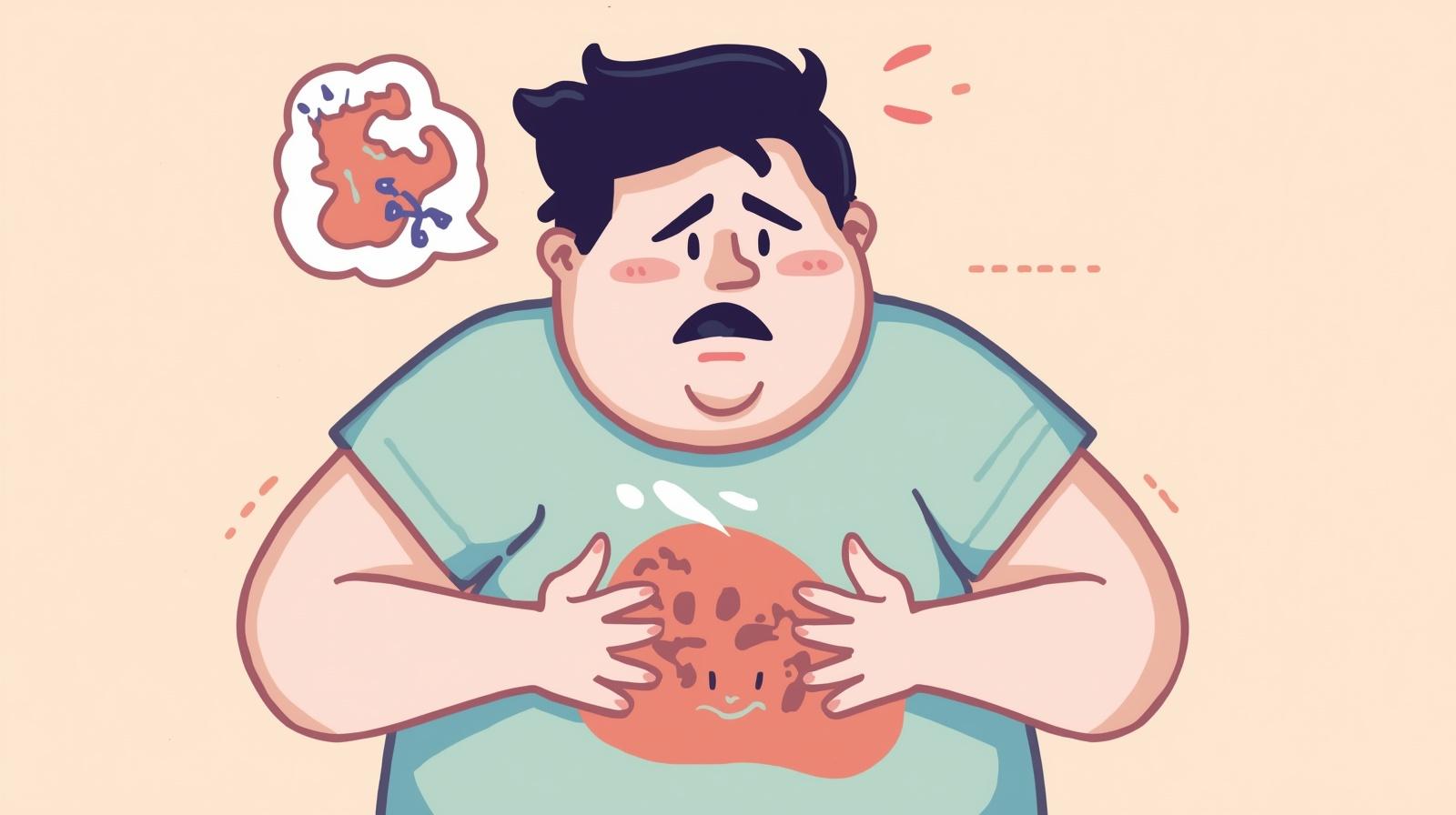
Gas and bloating are common digestive complaints that affect millions of people daily, often causing significant abdominal discomfort and embarrassment. While these symptoms can stem from various factors, certain foods are notorious culprits that trigger excessive gas production in the gastrointestinal tract. Understanding which foods commonly cause these issues is essential for managing your diet and improving overall digestive health. From fiber-rich vegetables to dairy products containing lactose, many everyday foods can lead to uncomfortable bloating and flatulence.
By identifying and moderating your intake of gas-producing foods, you can significantly reduce these unpleasant symptoms and enjoy better digestive comfort. This guide explores the most common dietary triggers and provides insights into why certain foods affect your digestive system differently than others.
What Causes Gas and Bloating?
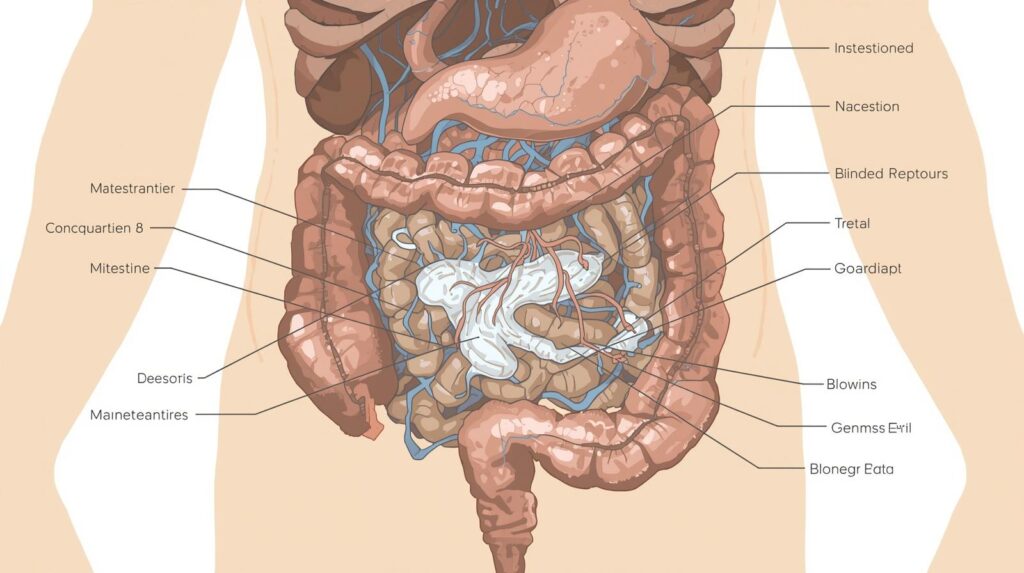
Understanding what is intestinal gas made of helps demystify this natural bodily function. Your intestinal gas contains five primary components: oxygen, nitrogen, carbon dioxide, hydrogen and methane. The exact composition varies depending on where the gas originates and what you’ve eaten recently. Gas enters your system through two main pathways swallowed air and bacterial fermentation of undigested food in your colon. When you eat, talk, or drink, you naturally gulp small amounts of air that travel down your esophagus. This swallowed air typically contains oxygen and nitrogen, which don’t usually smell but definitely contribute to that bloated sensation. Meanwhile, trillions of bacteria living in your colon health ecosystem work hard breaking down carbohydrates your small intestine couldn’t fully digest. This fermentation process produces hydrogen and methane gases as byproducts. Interestingly, not everyone produces methane only about 30 to 40 percent of people harbor methane-producing bacteria in their gut.
Your body expels gas through three primary routes along the digestive tract: belching, abdominal bloating, and flatus. Belching releases air that’s been temporarily stored in your stomach, usually the result of swallowing air during meals or while drinking carbonated beverages.
Foods That Commonly Cause Gas and Bloating
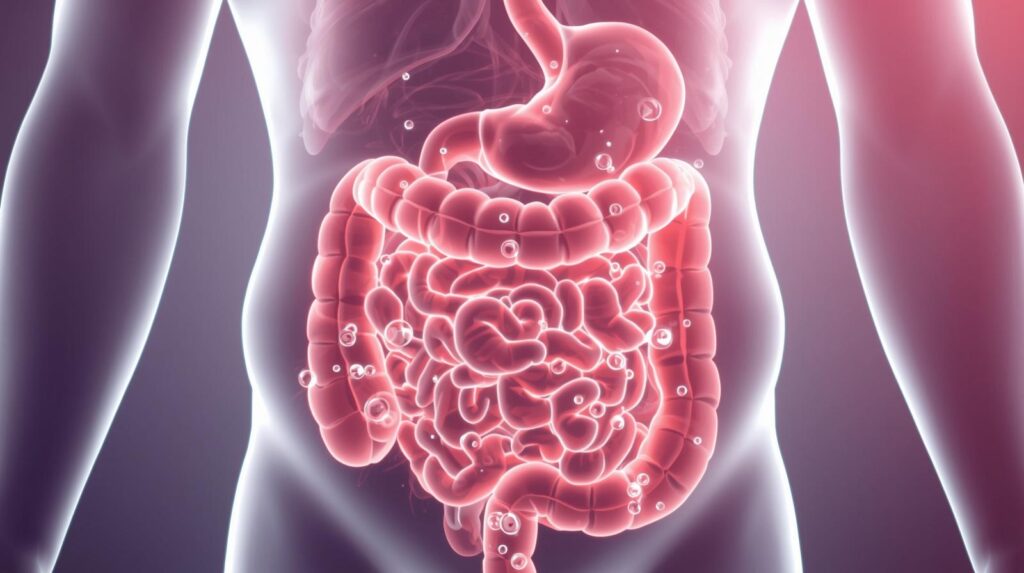
Not all food choices that lead to gas affect everyone equally, which makes identifying personal triggers essential. Your neighbor might handle dairy perfectly while you suffer immediate bloating after a glass of milk. Genetics, gut bacteria composition, and enzyme production all influence what foods cause gas in your unique system. The smartest approach involves keeping a detailed food record for at least two weeks, noting everything you consume alongside when symptoms appear. This detective work often reveals patterns you’d never spot otherwise. You might discover that raw broccoli destroys your comfort but cooked broccoli causes zero issues. Or perhaps beans at lunch wreak havoc while the same portion at dinner somehow feels fine. These nuances matter tremendously because blanket food restrictions aren’t necessary for most people dealing with gas and bloating. Certain food categories consistently trigger digestive complaints across populations, though individual reactions still vary widely. Understanding these common culprits gives you a starting point for your elimination experiments. The three main categories include high-FODMAP foods loaded with fermentable sugars, starchy vegetables containing resistant starches, and fiber-rich plants that feed gas-producing bacteria. .
Lifestyle Habits That Increase Gas and Bloating
Your eating behaviors influence gas production just as powerfully as food choices themselves. Talking while eating ranks among the worst habits because it forces you to gulp air between words and bites. Each conversation during meals introduces extra oxygen and nitrogen into your stomach, which eventually needs escaping as belching or travels through to become flatus. Chewing gum creates a similar problem the repetitive chewing motion triggers constant saliva swallowing, and each swallow carries a small air bubble downward. Sugar-free gums compound the issue by containing sorbitol, mannitol, maltitol or other sugar alcohols that ferment vigorously in your colon. One study found that people who chew gum regularly swallow three times more air than non-chewers. Gulping foods without adequate chewing also introduces excess air while sending larger food particles to your stomach that require more digestive work. Proper chewing breaks food into smaller pieces that digest more efficiently and require less bacterial fermentation later. Dentists recommend 20 to 30 chews per bite, though few people come close to this ideal.

Foods That Help Reduce Bloating Naturally
Strategic food choices that lead to gas relief work through several mechanisms: reducing inflammation, supporting beneficial bacteria, speeding gastric emptying, and providing natural enzymes. Anti-inflammatory foods calm an irritated digestive tract lining that might be reacting excessively to normal gas volumes. Nobody enjoys feeling like a blimp after meals, yet the solution doesn’t require pharmaceutical intervention for most people. Nature provides numerous options that actively decrease bloating when incorporated consistently. The key word here is consistently eating ginger once won’t transform your digestion, but daily ginger tea over several weeks can make noticeable differences. Combination approaches deliver better results than relying on any single food. Pairing probiotic foods with low-FODMAP vegetables while sipping peppermint tea creates synergistic benefits. Your gut responds better to gradual, sustained support than dramatic overnight changes.
Probiotic-Rich Foods
Probiotic foods contain live beneficial bacteria that colonize your gut and influence the entire microbial ecosystem. The relationship between probiotics and gas reduction isn’t immediately obvious until you understand bacterial competition. Your colon houses trillions of microorganisms competing for nutrients and real estate along your intestinal walls. Gas-producing species thrive on certain food remnants, multiplying rapidly when conditions favor them. Introducing robust populations of Lactobacillus and Bifidobacterium strains through fermented foods shifts the balance. These beneficial bacteria metabolize food components differently, producing less gas while crowding out the problematic species. Research shows that specific probiotic strains reduce hydrogen and methane production by up to 30 percent after consistent consumption for four to eight weeks. The effects aren’t instantaneous you’re essentially remodeling your gut microbiome, which requires time and persistence.
Low FODMAP Foods for Sensitive Stomachs
The low-FODMAP diet was developed by researchers at Monash University in Australia specifically to manage irritable bowel syndrome symptoms, but it helps anyone struggling with chronic gas and bloating. This approach doesn’t eliminate carbohydrates entirely but focuses on varieties your small intestine absorbs efficiently, leaving minimal remnants for bacterial fermentation. The diet typically follows a three-phase structure: strict elimination for two to six weeks, systematic reintroduction to identify personal triggers, and long-term personalization based on your unique tolerances. During elimination, you’d avoid high-FODMAP foods completely while eating generous amounts of proven safe options. This reset period allows your gut inflammation to calm and gas production to normalize, establishing a comfortable baseline. Many people notice dramatic improvement within just one week, though complete benefits emerge over four to six weeks.
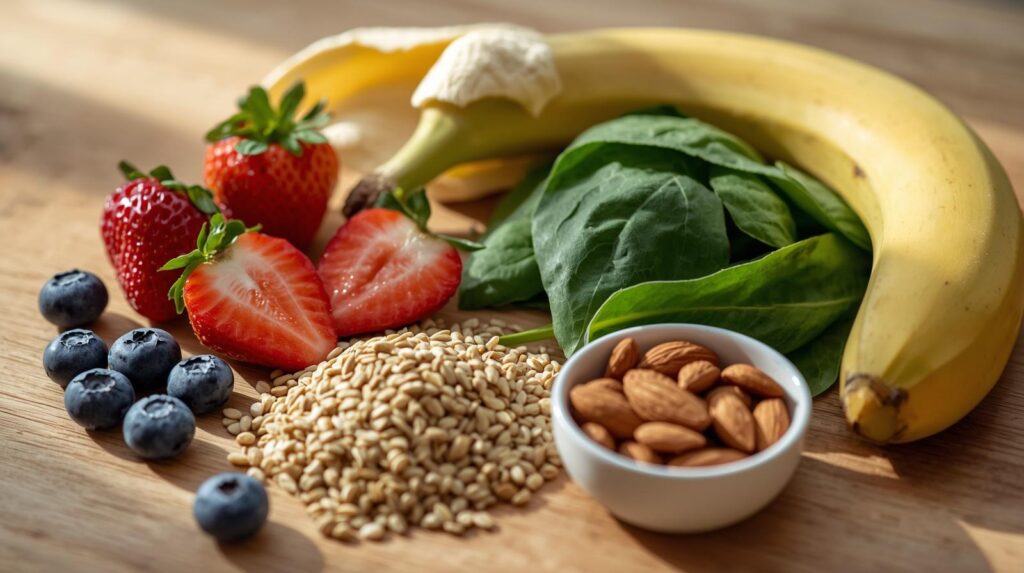
Safe vegetable choices during low-FODMAP phases include spinach, carrots, zucchini, cucumbers, bell peppers, green beans, tomatoes, and lettuce varieties. These vegetables contain minimal fermentable sugars and rarely trigger abdominal bloating even in sensitive individuals. Contrast this with high-FODMAP vegetables like onions, cabbage, asparagus, and mushrooms that consistently cause problems. Fruit selection requires more caution since many fruits pack high fructose loads. Low-FODMAP fruits include bananas, blueberries, strawberries, oranges, grapes, cantaloupe, and honeydew melon in appropriate portions.
Ginger and Digestive Herbs
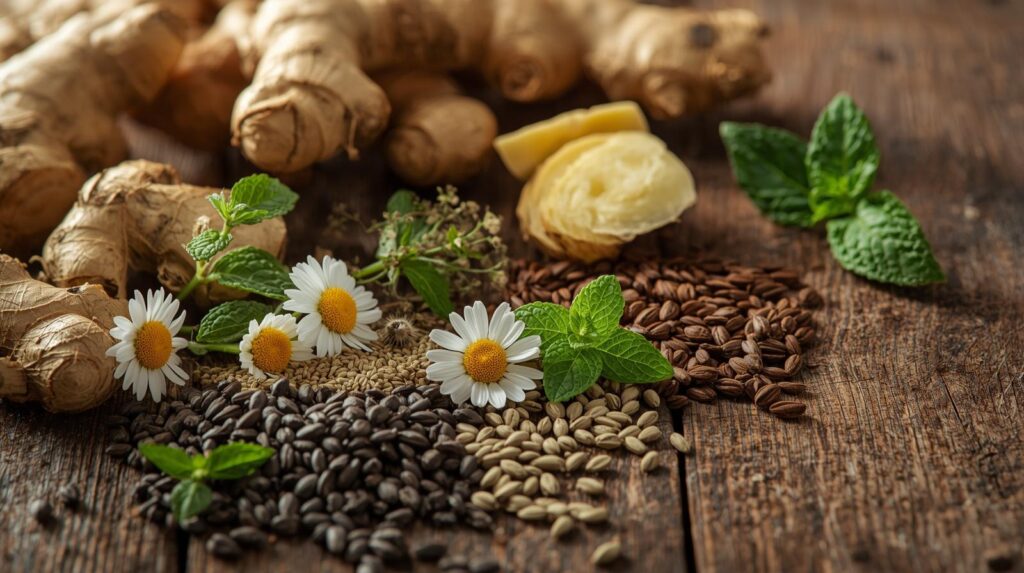
Ginger has been used medicinally for over 5,000 years across Asian, Arabic, and Caribbean cultures specifically for digestive complaints. Modern research confirms what traditional medicine recognized long ago ginger contains compounds called gingerols and shogaols that accelerate gastric emptying and reduce inflammation throughout the digestive tract. When food lingers too long in your stomach, fermentation begins earlier than ideal, producing gas before contents even reach your intestines. Ginger stimulates the muscles lining your stomach to contract more efficiently, pushing food into your small intestine at an optimal pace. Studies show ginger can reduce gastric emptying time by up to 25 percent compared to placebo. This speedier transit means less gas production overall. Peppermint tea works through a completely different mechanism menthol, peppermint’s active compound, relaxes smooth muscle tissue throughout your digestive system. This relaxation helps trapped gas pockets move more freely rather than creating painful pressure against intestinal walls.
Fennel, turmeric, anise and other carminative herbs have been used for centuries across cultures to relieve abdominal discomfort and bloating. Carminative means “gas-relieving” in medical terminology these herbs either prevent gas formation or help expel existing gas more efficiently. Fennel seeds contain anethole, a compound that reduces intestinal spasms and inhibits certain gas-producing bacteria. Many Indian restaurants offer fennel seeds after meals specifically to aid digestion and freshen breath. Chewing a half teaspoon of fennel seeds after eating slowly can noticeably reduce post-meal bloating.
Natural Remedies to Beat the Bloat
Natural remedies for intestinal gas offer gentle, side-effect-free approaches that address symptoms without pharmaceutical intervention. Warm lemon water first thing in the morning jumpstarts your digestive system after overnight fasting. The warm temperature stimulates intestinal muscles to start contracting, while lemon’s acidity triggers digestive enzyme production and bile flow from your liver. This combination prepares your gut to handle breakfast efficiently rather than struggling with the first food after hours of inactivity. Squeeze half a fresh lemon into eight ounces of warm (not boiling) water and drink it 15 to 30 minutes before eating anything else. Abdominal massage using gentle clockwise circular motions follows the natural path of your colon, encouraging trapped gas to move toward exit points. Place your hands just above your right hip bone, applying light pressure while moving upward toward your ribs, across your abdomen below your ribcage, then down your left side. Repeat this clockwise pattern for five to 10 minutes while breathing deeply.
Walking after meals might sound overly simple, but physical activity directly impacts gut motility and gas relief effectiveness. Even a casual 15-minute stroll stimulates peristalsis the wave-like muscle contractions that push food and gas through your intestines. Sitting or lying down after eating allows food to stagnate and gas to accumulate in pockets, whereas upright movement keeps everything flowing.
Actionable Tips to Prevent Gas and Bloating Daily
Eating slowly to reduce bloating might sound overly simplistic, but pace fundamentally affects gas production and comfort. When you rush through meals, several problems cascade simultaneously: inadequate chewing sends larger food particles to your stomach requiring more digestive work, rapid eating causes massive swallowing air with each hurried bite, and your brain doesn’t receive satiety signals fast enough to prevent overeating. Your stomach takes approximately 20 minutes to signal your brain that you’ve eaten enough. Eating a full meal in 10 minutes guarantees you’ll consume more than necessary, overloading your digestive capacity and worsening bloating. Practice putting your fork down between bites, chewing each mouthful 20 to 30 times before swallowing, and engaging in conversation that naturally slows your pace. Smaller meals distributed across five to six eating occasions daily work better than three large meals that overwhelm your digestive system.
Frequently Asked Questions
How long does it take to reduce bloating naturally?
Most people notice improvement within three to seven days after eliminating major trigger foods and improving eating behaviors. Complete relief often requires four to six weeks as your gut bacteria populations rebalance and inflammation subsides. Consistency matters more than perfection following your plan 80 percent of the time typically delivers better results than sporadic strict adherence.
Can stress alone cause gas and bloating?
Absolutely. The gut-brain connection operates bidirectionally, meaning stress directly impacts digestive tract motility, stomach acid production, and gut bacteria composition. Chronic stress can slow digestion significantly, causing food to stagnate and ferment excessively. Stress management through meditation, exercise, or therapy often reduces digestive symptoms dramatically even without dietary changes.
Are probiotics safe for everyone?
Probiotic foods and supplements are generally safe for healthy individuals, though people with severely compromised immune systems or central venous catheters should consult doctors first. Some people experience temporary gas increases during the first week as gut bacteria populations shift, but this typically resolves quickly. Start with small amounts and increase gradually.
What’s the difference between gas and bloating?
Gas refers to actual air and other gases in your digestive tract, which everyone produces normally. Bloating describes the uncomfortable sensation of abdominal fullness and tightness. You can have significant gas without feeling bloated if it passes easily, or feel intensely bloated from normal gas amounts if your intestines are hypersensitive or gas gets trapped.
Is bloating a sign of a serious condition?
Occasional bloating after large meals or trigger foods rarely indicates serious illness. However, persistent bloating accompanied by weight loss, blood in stool, severe pain, or significant changes in bowel regularity warrants medical evaluation to rule out conditions like celiac disease, inflammatory bowel disease, or colon health issues including cancer.
Final Thoughts
Gas and bloating affect millions of Americans daily, yet simple dietary and lifestyle modifications resolve most cases without medical intervention. Understanding what causes gas in your unique digestive system empowers you to make informed choices rather than blindly restricting foods. Start by keeping a detailed food record for two weeks, noting what foods cause gas and when symptoms appear. Experiment with low-FODMAP options while incorporating probiotic foods and digestive herbs like ginger and peppermint tea. Address eating behaviors that introduce excess air: slow down, chew thoroughly, and avoid carbonated beverages and chewing gum. Try natural remedies including activated charcoal, digestive enzymes, and post-meal walks before reaching for medications. Remember that building tolerance to healthy high-fiber foods benefits long-term colon health even if it causes temporary discomfort. How to prevent gas ultimately comes down to knowing your triggers, pacing meals appropriately, managing stress, and maintaining consistent eating habits. If symptoms persist despite your best efforts, don’t hesitate to consult a gastroenterologist when to seek medical attention includes any red flag symptoms or interference with daily life. You deserve to feel comfortable in your body, and effective gas relief is absolutely achievable with the right approach. Start with one change today rather than overwhelming yourself with complete overhaul, then build gradually toward comprehensive digestive wellness.

I help websites rank higher, grow traffic, and look amazing. My goal is to make SEO and web design simple and effective for everyone.
As a digital marketer, I specialize in SEO, content strategy, and online growth, helping businesses build a strong digital presence and reach the right audience.
Let’s achieve more together