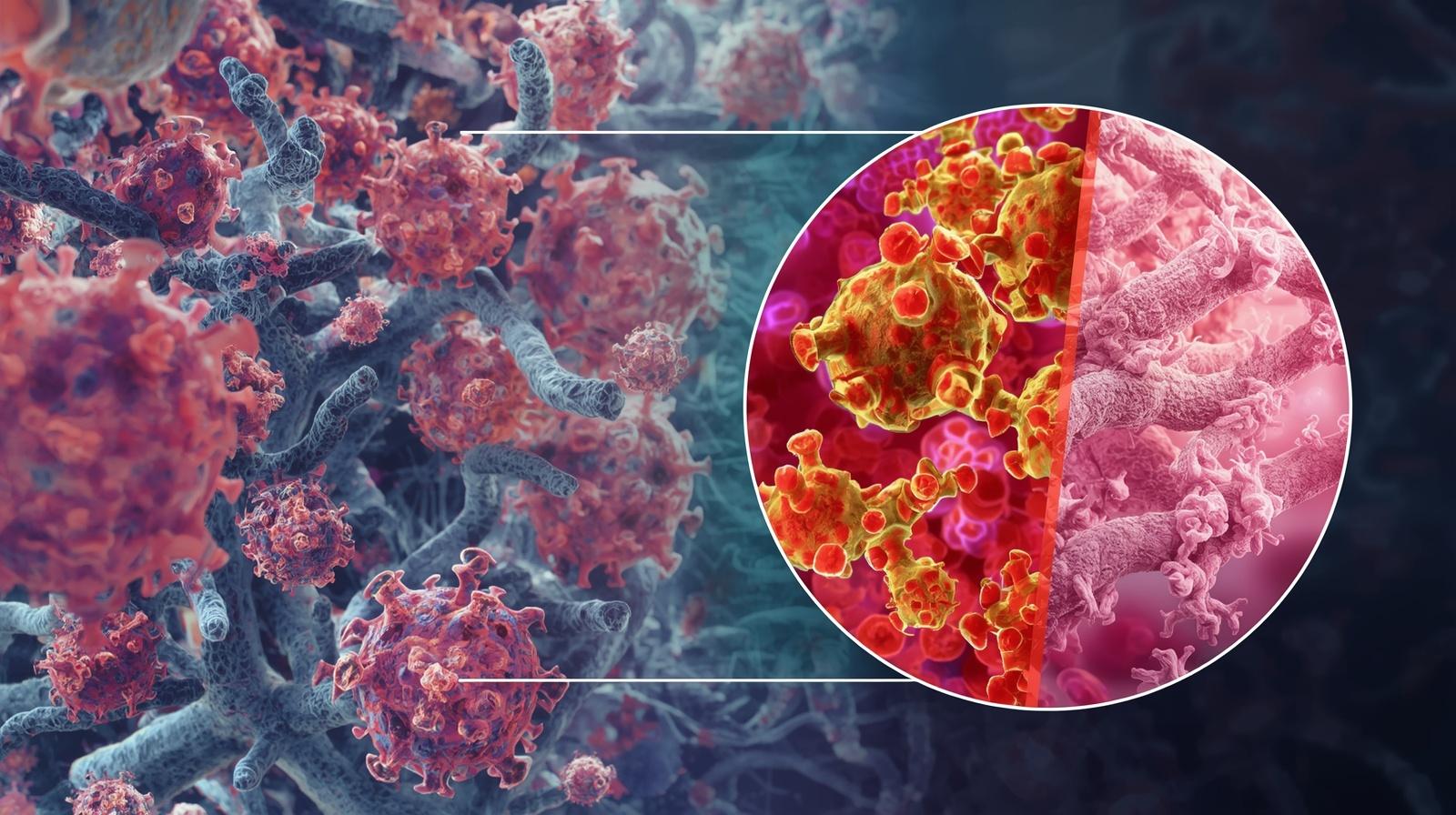
Gut imbalance is becoming a common issue in modern lifestyles, yet many people don’t fully understand its impact on overall health. When the balance of good and bad bacteria in your digestive system is disrupted, it can lead to symptoms like bloating, fatigue, and poor immunity. This condition, often linked to dysbiosis, affects how your body absorbs nutrients and fights illness.
Factors such as diet, stress, and antibiotics play a major role in damaging your gut microbiome. Recognizing early signs of digestive issues, improving gut health, and focusing on microbiome balance can help restore your system and support long-term wellness naturally.
What is Dysbiosis? Understanding Gut Microbiome Imbalance
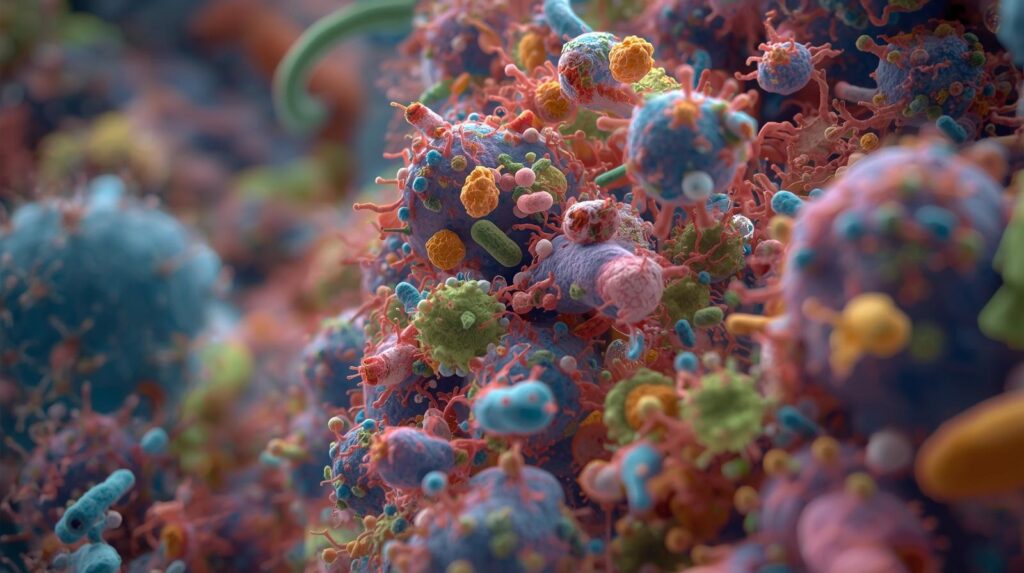
Dysbiosis represents microbial warfare happening inside your intestines right now. Your gut microbiome houses over 100 trillion microorganisms working together like a microscopic city. When this delicate ecosystem falls out of balance, bacterial overgrowth takes control. Think of it like a garden overrun by weeds choking out beneficial plants. Intestinal dysbiosis occurs when harmful bacteria, fungi, or viruses dominate your digestive system instead of helpful ones. This microbiome composition shift changes how these tiny organisms function in your body.
How does dysbiosis affect me depends on which body systems become compromised. Your gut bacteria normally help digest food, produce vitamins, and protect against infections. During gut dysbiosis, these protective services vanish rapidly. The immune system weakens because 70% of it lives in your gut lining. Your nervous system suffers too since 90% of serotonin gets manufactured in your intestines. Even your endocrine system feels the impact through hormone disruption. The gut-brain interaction means mental fog and anxiety often accompany digestive troubles.
What Can Gut Dysbiosis Lead To?
Bacterial dysbiosis in gut tissue directly triggers numerous gastrointestinal diseases affecting your entire digestive system. Infections like H. pylori and C. difficile thrive when protective bacteria disappear. SIBO develops when bacteria migrate where they shouldn’t belong. Inflammatory bowel diseases including ulcerative colitis and Crohn’s disease worsen with microbial imbalance. Common issues like diarrhea, constipation, bloating, and gas plague millions daily.
Beyond digestion, what can gut dysbiosis lead to extends into surprising territory. Irritable bowel syndrome (IBS) affects 10-15% of Americans and connects strongly to bacterial imbalance. Metabolic syndrome, fatty liver disease, and atherosclerosis all show links to gut barrier dysfunction. Even atopic dermatitis on your skin reflects internal microbial chaos. Chronic inflammation spreads throughout your body when the gut lining becomes compromised.
| Condition Category | Related Diseases |
| Digestive Disorders | SIBO, IBS, IBD, Constipation |
| Metabolic Issues | Fatty Liver, Metabolic Syndrome |
| Skin Conditions | Atopic Dermatitis, Acne |
| Mental Health | Depression, Anxiety, Brain Fog |
Signs and Symptoms of Dysbiosis You Shouldn’t Ignore
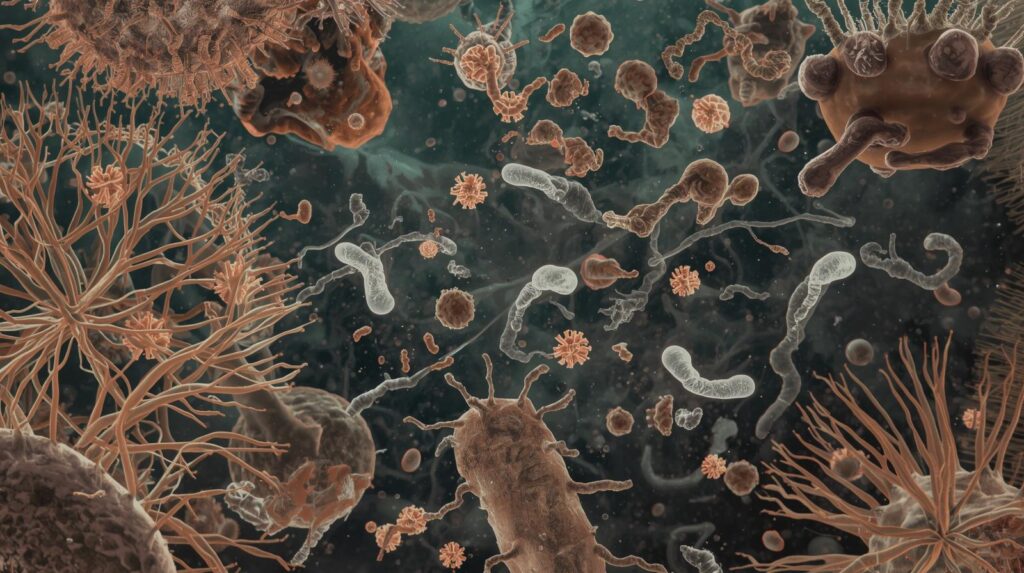
Your body broadcasts distress signals long before serious complications develop. Yet most people dismiss these signs and symptoms of dysbiosis as normal aging or stress. Bloating after every meal isn’t normal, despite what you’ve been told. Persistent gas that causes social embarrassment deserves investigation. Poop changes in color, consistency, or frequency signal microbial warfare. Alternating between diarrhea and constipation screams gut imbalance loudly.
Beyond digestive chaos, dysbiosis reaches into unexpected territories throughout your entire body. Chronic fatigue that coffee can’t fix often traces back to gut problems. Mood changes including sudden anxiety or depression emerge from disrupted neurotransmitter production. Unexplained weight changes up or down happen when metabolism-regulating bacteria disappear. Even bleeding gums and tooth decay connect to oral dysbiosis. Women might experience genital discharge or painful urination from vaginal bacterial imbalance.
Systemic Warning Signs
The gut-brain interaction means neurological symptoms often accompany digestive troubles. Brain fog makes concentration impossible despite adequate sleep. Intense sugar cravings emerge as pathogenic bacteria demand their preferred fuel. Chronic inflammation manifests as joint pain, headaches, or muscle aches. Sleep disturbances prevent restorative rest even when you’re exhausted.
Common Causes and Risk Factors of Gut Dysbiosis
Multiple environmental factors affecting microbiome health conspire against your gut’s delicate equilibrium daily. What causes dysbiosis usually involves combinations rather than single triggers. Modern lifestyles assault beneficial bacteria from every direction simultaneously. Understanding root causes empowers you to prevent future imbalances effectively. Most causes prove reversible with consistent effort and proper guidance.
Antibiotics wage indiscriminate warfare decimating both allies and enemies within your gut. These antimicrobial agents save lives during infections but destroy microbial diversity brutally. A single antibiotic course can disrupt your microbiome composition for months or years. Other medications including proton pump inhibitors, NSAIDs, and birth control pills also damage gut bacteria significantly. Environmental toxins from pesticides, plastics, and pollution accumulate in your system. Chronic stress translates psychological pressure into physical microbial mayhem through cortisol spikes. Poor diet lacking prebiotic fiber and whole fruits and vegetables starves beneficial bacteria.
| Dysbiosis Trigger | Impact Level | Recovery Time |
| Single Antibiotic Course | Moderate | 3-6 months |
| Chronic Stress | High | 2-4 months |
| Standard American Diet | Very High | 4-12 months |
| Environmental Toxins | Moderate | 6-12 months |
How Dysbiosis Affects Your Overall Health
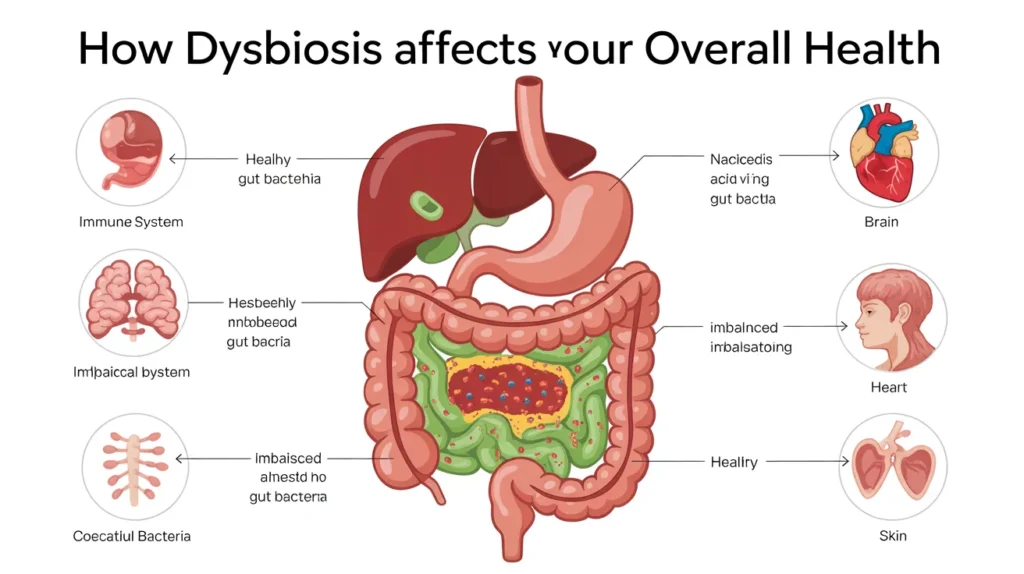
How dysbiosis affects overall health extends far beyond occasional stomach upset or discomfort. Your gut barrier serves as the foundation for whole-body wellness. When this protective wall breaks down, consequences ripple through every organ system. Research reveals startling connections between microbiome imbalance and chronic diseases previously considered unrelated. The gut lining normally prevents harmful substances from entering your bloodstream.
Gut dysbiosis orchestrates systemic chaos affecting every bodily function simultaneously. Your immune system becomes hyperactive or suppressed unpredictably when bacterial balance disappears. Autoimmune conditions develop as confused immune cells attack healthy tissue. The nervous system suffers from reduced neurotransmitter production and increased inflammation. Chronic fatigue syndrome patients show distinctive microbiome composition patterns. Metabolic syndrome develops as beneficial bacteria that regulate blood sugar vanish. Even cardiovascular health deteriorates as chronic inflammation damages blood vessel walls.
Diagnosing Dysbiosis: Tests and Assessment Methods
Modern diagnostic tools reveal precise microbial imbalances hiding within your digestive system currently. Is there a test to diagnose dysbiosis remains a common question with increasingly sophisticated answers. Several testing options exist providing unique insights into gut ecology. Your healthcare provider can recommend appropriate assessments based on symptoms and medical history. Proper diagnosis prevents years of guessing and ineffective treatments.
Comprehensive stool analysis provides the most detailed snapshot of bacterial populations living in your gut. These lab tests measure beneficial and pathogenic bacteria ratios accurately. A pathologist examines samples identifying overgrowth patterns and deficiencies. Breath test for gut bacteria detects SIBO through hydrogen and methane measurements. Blood work reveals indirect markers like inflammatory proteins and nutrient deficiencies. Organic acid testing shows bacterial metabolic byproducts circulating in your system. These diagnostic methods help diagnose dysbiosis objectively rather than relying on symptoms alone.
Medical Treatment Options for Dysbiosis
Conventional medicine offers several evidence-based interventions for severe gut dysbiosis cases. What is the treatment for dysbiosis depends on underlying causes and symptom severity. Medical treatments become necessary when natural approaches prove insufficient alone. Integration of pharmaceutical and holistic strategies often produces the best outcomes. Your healthcare provider personalizes protocols based on testing results and individual needs.
Targeted antibiotics eliminate pathogenic overgrowth when appropriately prescribed by knowledgeable practitioners. Rifaximin treats SIBO effectively with minimal side effects compared to traditional antibiotics. Antifungals address candida overgrowth that commonly accompanies bacterial imbalance. Antivirals target specific viral infections disrupting gut ecology. Probiotics for gut health reintroduce beneficial bacterial strains strategically during recovery. Pharmaceutical-grade formulas contain billions of colony-forming units necessary for colonization. Fecal microbiota therapy offers revolutionary solutions for treatment-resistant cases through donor stool transplants. This procedure shows remarkable success rates for C. difficile infections.
Natural Ways to Fix Gut Dysbiosis
Nature provides powerful remedies that restore microbiome balance without pharmaceutical intervention completely. Can I fix gut dysbiosis naturally becomes an empowering question with affirmative answers for most people. Holistic approaches address root causes while supporting your body’s innate healing capabilities. Combining multiple natural strategies amplifies healing potential exponentially over time. Patience and consistency prove essential as beneficial bacteria rebuild their populations.
How to fix gut dysbiosis naturally starts with comprehensive lifestyle modifications affecting daily habits. Stress management through meditation, yoga, or deep breathing calms your nervous system dramatically. Quality sleep for 7-9 hours nightly allows gut repair processes to function optimally. Reducing exposure to environmental toxins by choosing organic foods and natural products helps immensely. Herbal antimicrobials like oregano oil and berberine gently reduce pathogenic bacteria naturally. Prebiotic fiber supplements feed beneficial bacteria encouraging their proliferation and dominance. Digestive enzymes reduce undigested food particles that harmful bacteria ferment creating gas and bloating.
Best Foods for Healing Gut Dysbiosis
Food serves as medicine when chosen strategically for gut microbiome recovery and restoration. What kind of diet helps heal gut dysbiosis focuses on three nutritional pillars working synergistically. Targeted nutrition delivers probiotics, prebiotics, and anti-inflammatory foods for gut health simultaneously. A plant-rich diet provides fiber diversity supporting varied bacterial species thriving together. Quality and variety matter more than perfection or strict rules.
Fermented foods introduce billions of beneficial bacteria with each delicious serving you consume. Yogurt with live cultures, kefir, and cultured dairy products top the probiotic list. Sauerkraut, kimchi, and traditionally pickled vegetables deliver diverse bacterial strains naturally. Miso soup, tempeh, and natto provide additional probiotic sources from fermented soybeans. Prebiotic powerhouses like garlic, onions, leeks, and asparagus feed gut microbiome populations effectively. Healthy fats from wild-caught fish, walnuts, and plant oils calm intestinal inflammation. Bone broth rich in collagen repairs damaged gut lining tissue remarkably well.
| Food Category | Top Choices | Daily Serving |
| Probiotic Foods | Yogurt, Sauerkraut, Kimchi | 1-2 servings |
| Prebiotic Foods | Garlic, Onions, Asparagus | 2-3 servings |
| Anti-inflammatory | Fatty Fish, Leafy Greens | 2-3 servings |
| Healing Foods | Bone Broth, Collagen | 1 serving |
Foods to Avoid During Dysbiosis Recovery
Certain foods actively sabotage gut healing efforts despite seeming harmless or healthy. Temporary restriction accelerates recovery dramatically but permanent elimination rarely proves necessary. Environmental factors affecting microbiome include dietary choices that either harm or heal gut dysbiosis powerfully. Individual trigger identification helps personalize your elimination approach effectively. Most people successfully reintroduce problematic foods after restoration completes.
Refined sugars feed pathogenic bacteria and yeast fueling their overgrowth dominance rapidly. All forms of added sugars including high-fructose corn syrup damage bacterial balance. Artificial sweeteners like aspartame and sucralose alter microbiome composition negatively despite zero calories. Processed and packaged foods contain emulsifiers and preservatives that erode your gut barrier. Gluten increases intestinal permeability even in non-celiac individuals temporarily during healing. Excessive alcohol consumption disrupts bacterial populations and inflames gut lining tissue directly. Conventional dairy products often trigger reactions due to lactose intolerance accompanying dysbiosis.

The Role of Physical Activity in Gut Health
Exercise reshapes your microbiome composition as powerfully as dietary changes surprisingly. Regular movement enhances microbial diversity and beneficial bacterial abundance significantly. Physical activity increases short-chain fatty acid production that reduce inflammation systemically. Moderate-intensity activities provide maximum support gut health benefits without overtraining stress.
Walking, cycling, and swimming for 30-45 minutes daily optimize bacterial balance naturally. Yoga and tai chi offer additional benefits through stress management and gentle movement. Resistance training builds metabolic health supporting overall gut microbiome function. However, excessive high-intensity training can worsen dysbiosis through stress response activation. Overtraining syndrome creates cortisol spikes that harm beneficial bacteria populations. Optimal weekly volume stays around 150 minutes of moderate activity with adequate recovery.
Dysbiosis and Leaky Gut Syndrome Connection
Intestinal permeability and dysbiosis create a vicious cycle of mutual reinforcement. Is dysbiosis related to leaky gut syndrome receives a definitive yes from researchers worldwide. The gut barrier normally prevents harmful substances from entering your bloodstream. Leaky gut syndrome develops when tight junctions between intestinal cells loosen inappropriately. This bidirectional relationship reveals why comprehensive gut healing requires multiple approaches simultaneously.
Harmful bacteria produce toxins that literally punch holes through your gut lining walls. Lipopolysaccharide from gram-negative bacteria triggers massive inflammatory responses when it escapes. Zonulin protein increases when pathogenic bacteria dominate causing tight junction disruption. Undigested proteins and bacterial toxins entering bloodstream trigger widespread immune reactions. Food sensitivities develop as your immune system attacks proteins it normally tolerates. L-glutamine, zinc carnosine, and collagen support gut health through barrier repair mechanisms. Timeline expectations for healing both conditions span 3-6 months with consistent effort.
Food Intolerances and Dysbiosis: What’s the Link?
Dysbiosis frequently triggers new food intolerances that vanish once balance restores completely. Bacterial imbalances reduce digestive enzyme production making food breakdown incomplete. Increased immune reactivity develops as your gut barrier becomes permeable to proteins. Histamine intolerance emerges when beneficial bacteria that degrade histamine disappear. IgG reactions to previously tolerated foods signal underlying microbial chaos.
Lactose intolerance affects nearly 65% of adults globally and worsens during gut dysbiosis. FODMAP sensitivity patterns emerge as certain bacteria fermenting these carbohydrates overgrow. Elimination-reintroduction protocols outperform expensive food sensitivity blood tests for accuracy. Most people successfully reintroduce previously problematic foods after microbiome restoration completes. Systematic reintroduction after 8-12 weeks of healing allows tolerance recovery.
Frequently Asked Questions
How long does it take to heal dysbiosis?
Most people experience significant improvement within three to six months with consistent treatment. Severe cases might require twelve months or longer depending on underlying causes.
Can stress alone cause dysbiosis?
Chronic stress significantly alters gut bacteria composition through cortisol and gut-brain interaction disruption. While stress rarely causes dysbiosis alone, it substantially contributes alongside other factors.
Will my food intolerances be permanent?
Most dysbiosis-related intolerances resolve once microbiome balance restores completely. True allergies remain permanent, but sensitivities often disappear after healing.
Your journey toward gut healing begins with single intentional choices today. Dysbiosis proves reversible for most people through consistent dietary and lifestyle changes. You control the majority of healing factors affecting your gut microbiome directly. Start small with one fermented food this week rather than overwhelming yourself completely. Professional guidance from a qualified healthcare provider helps navigate complex cases effectively. Remember that gut microbiome recovery takes time but transforms overall health remarkably. Reclaim your digestive wellness through evidence-based strategies outlined in this comprehensive guide.

I help websites rank higher, grow traffic, and look amazing. My goal is to make SEO and web design simple and effective for everyone.
As a digital marketer, I specialize in SEO, content strategy, and online growth, helping businesses build a strong digital presence and reach the right audience.
Let’s achieve more together