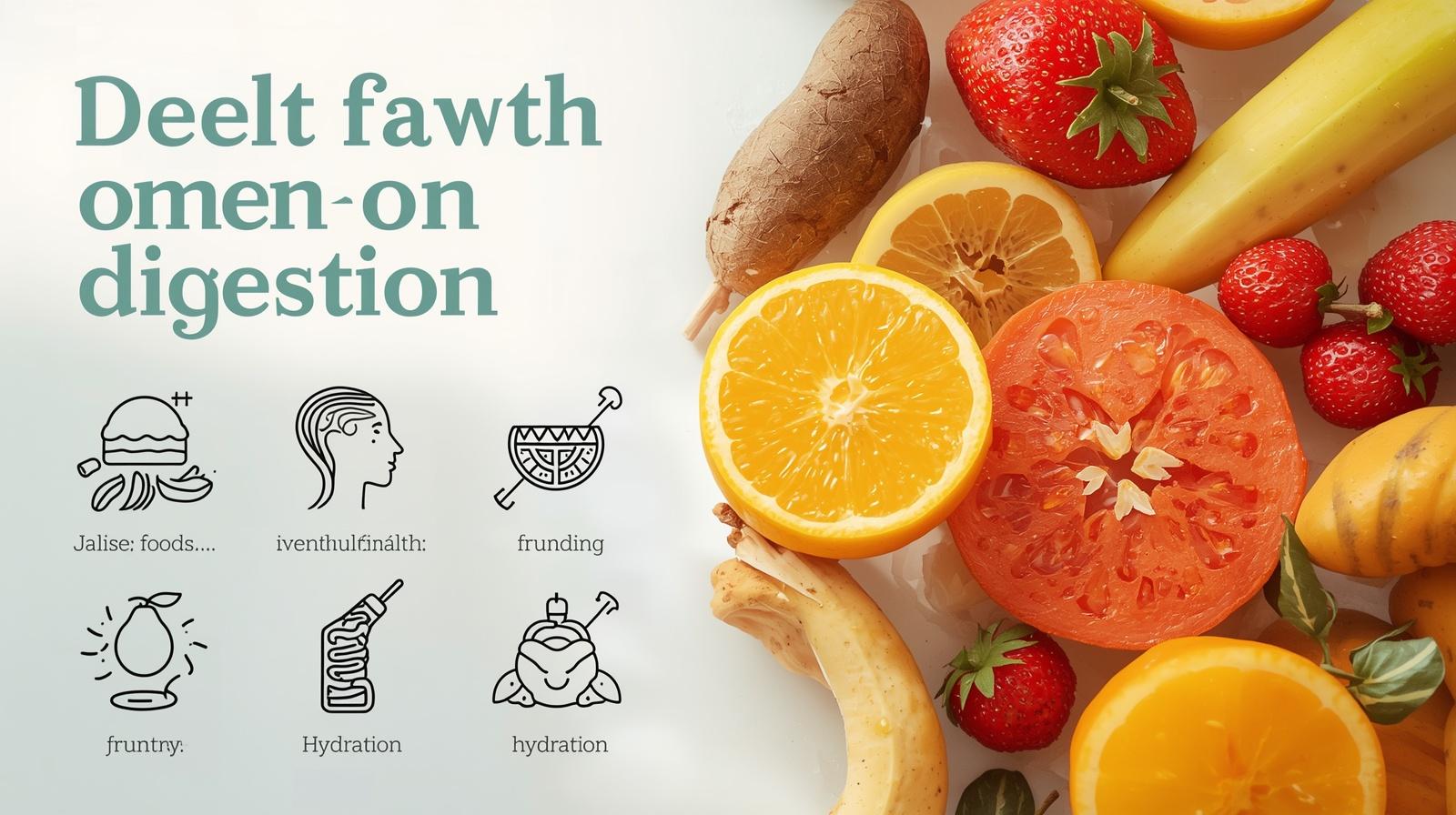
Your gut affects far more than digestion. It influences energy levels, mood, immunity, sleep quality, and even mental clarity. When you improve gut health naturally, your body begins to function more efficiently from the inside out. Modern lifestyles filled with stress, sugar, and processed foods often damage the gut microbiome, leading to bloating, fatigue, and other digestive concerns. Fortunately, small daily changes can create powerful results over time.
Eating fiber-rich foods, drinking enough water, managing stress, and following better healthy eating habits can support stronger digestion and long-term wellness. In this guide, you’ll discover simple foods, habits, and practical tips that help build a healthier digestive system naturally and safely.
What Is Gut Health and Why It Matters
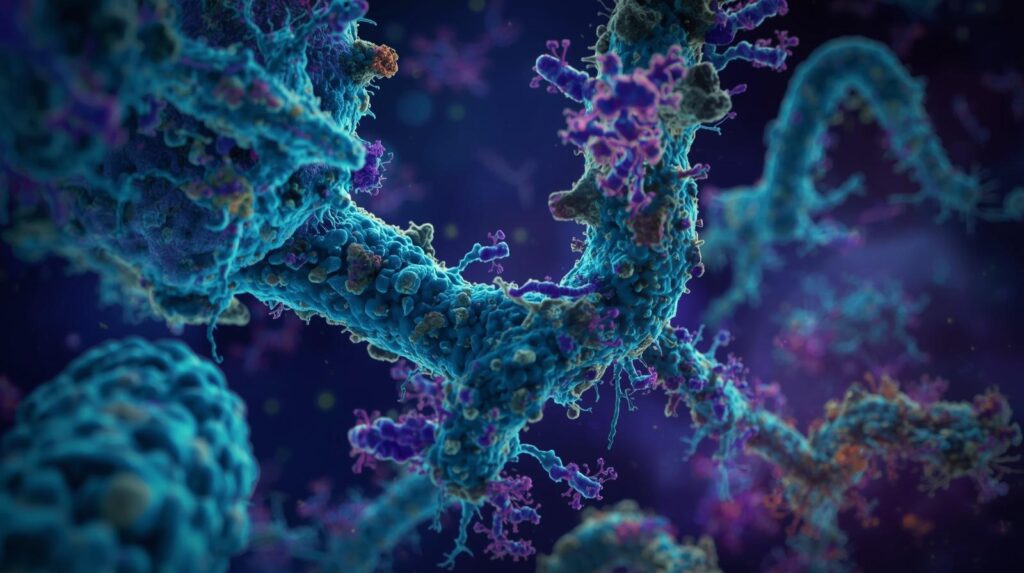
Gut health refers to the balance of bacteria, fungi, and microorganisms living inside your digestive tract. This ecosystem is called the gut microbiome. Healthy microbes help break down food, improve nutrient absorption, and protect the body from harmful bacteria. When the balance shifts, your body struggles with digestive problems, poor immunity, and low energy. That’s why experts constantly discuss digestive health and microbiome health in modern medicine.
Researchers also discovered a strong gut-brain connection between digestion and mental wellness. Your gut produces chemicals that affect mood, sleep, and concentration. Poor gut balance may increase stress, anxiety, and inflammation throughout the body. A healthy gut supports cognitive health, better focus, and stronger emotional balance. This explains why many doctors recommend healthy eating habits and natural gut health tips to support long-term wellness.
Common Signs of Poor Gut Health
Your body usually sends warning signs when the digestive system becomes unbalanced. Frequent bloating, gas, constipation, acid reflux, and stomach discomfort are common symptoms. Some people also experience food sensitivities because harmful bacteria damage the gut lining. These issues often appear slowly, like tiny cracks in a windshield before it finally breaks.
Poor gut balance also affects the entire body beyond digestion. You may notice tiredness, skin irritation, poor sleep, headaches, or mood swings. Many people with unhealthy digestion struggle with low focus and weakened immunity. According to researchers, poor digestive system health can reduce the number of beneficial bacteria that protect the body from illness. Supporting healthy gut bacteria early may prevent bigger health concerns later.
| Common Symptom | Possible Gut Issue |
| Bloating | Poor digestion |
| Constipation | Low fiber intake |
| Fatigue | Poor nutrient absorption |
| Brain fog | Gut imbalance |
| Skin problems | Inflammation |
Main Causes of an Unhealthy Gut
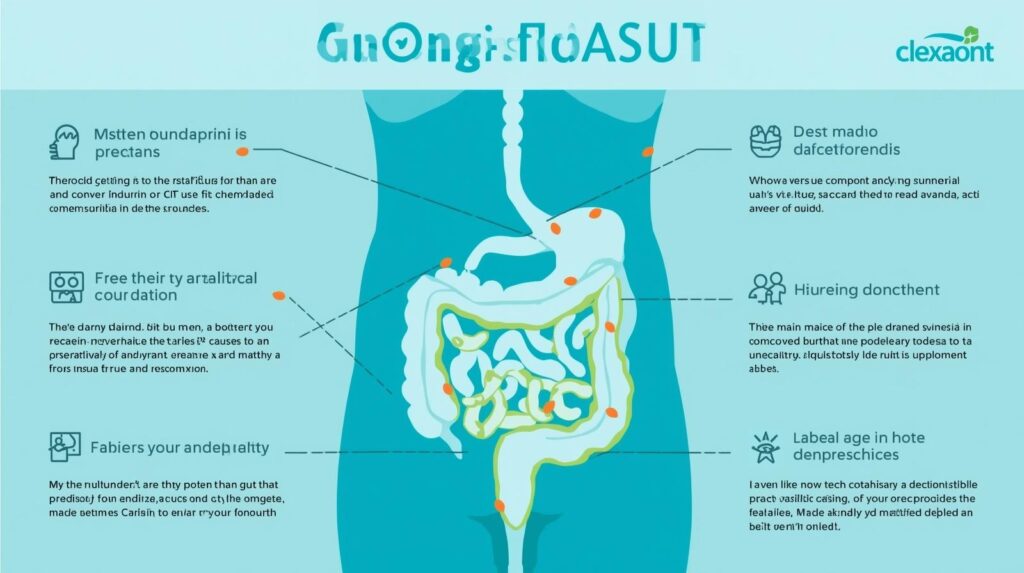
Modern lifestyles often damage the digestive system without people realizing it. The typical Standard American Diet contains excess sugar, fried meals, artificial ingredients, and low-quality oils. These foods reduce microbiome diversity and increase harmful bacteria inside the gut. Stress also plays a major role because constant tension changes digestion and weakens the protective gut lining.
Lack of sleep, low exercise, smoking, and frequent antibiotic use also affect intestinal health. Antibiotics kill harmful bacteria but they can also destroy good bacteria needed for balance. Many experts now encourage a whole food diet filled with plant-based foods because natural ingredients nourish the digestive tract more effectively. Reducing toxins and building healthy lifestyle habits can slowly help restore gut health naturally.
Best Foods to Improve Gut Health
The best strategy to improve gut health starts with real food. Fiber acts like fuel for healthy bacteria. Foods such as oats, beans, apples, and seeds help feed microbes that support digestion. Many nutrition experts recommend fiber-rich foods because they improve colon health and support digestive balance. Adding colorful vegetables daily can dramatically strengthen the digestive system.
Certain foods stand out because they directly feed good bacteria. Leafy green vegetables, cruciferous vegetables, and garlic and onions contain compounds that help increase healthy microbes. Blueberries, strawberries, and raspberries are also excellent because they reduce inflammation and support gut inflammation recovery. Many specialists consider these the best foods to improve gut health naturally because they protect both digestion and immunity.
| Best Gut Foods | Main Benefit |
| Oats | Feed healthy bacteria |
| Yogurt | Adds probiotics |
| Garlic | Supports gut flora |
| Berries | Reduce inflammation |
| Leafy greens | Improve digestion |
Foods and Drinks to Avoid for Better Gut Health
Some foods quietly damage digestion over time. Highly refined sugar, fast food, and artificial ingredients weaken the healthy microbiome and increase bad bacteria. Excess fried foods can also trigger chronic inflammation inside the digestive tract. Many people trying to restore gut health notice major improvements once they reduce packaged snacks and sugary drinks.
Drinks matter just as much as meals. Excess alcohol, soda, and energy drinks may irritate the gut lining and harm digestion. These products often contain chemicals that reduce better gut bacteria and create imbalance. Replacing processed beverages with natural options helps support digestive wellness and improves hydration. Your gut works best when it receives clean and simple nutrition.

Best Drinks for Gut Health
Water remains the most important drink for digestion. Proper hydration supports smoother bowel movements and helps nutrients move through the body. Green tea also contains antioxidants that support inflammation reduction and gut repair. Herbal drinks like peppermint and chamomile may calm stomach discomfort naturally.
Fermented beverages have become increasingly popular because of their connection to probiotics and prebiotics. Yogurt and kefir, kombucha, and natural smoothies help support healthy gut flora. Many experts recommend these drinks because of their fermented foods benefits and ability to strengthen digestion. Choosing low-sugar options remains important because too much sugar can undo the benefits.
Simple Daily Habits to Restore Gut Health
Food alone cannot fully repair digestion. Lifestyle habits matter equally. Walking after meals improves circulation and supports healthy digestion. Eating slowly gives the stomach enough time to process food correctly. Sleep also affects digestion because the body repairs itself overnight. Building a steady sleep routine may improve digestive health faster than many people expect.
Stress reduction also plays a major role in gut recovery. Meditation, deep breathing, and outdoor activity can calm the nervous system and support the gut-brain connection. Many families also benefit from community and eating together because relaxed meals reduce stress during digestion. These small routines create powerful gut health lifestyle tips that support long-term wellness.
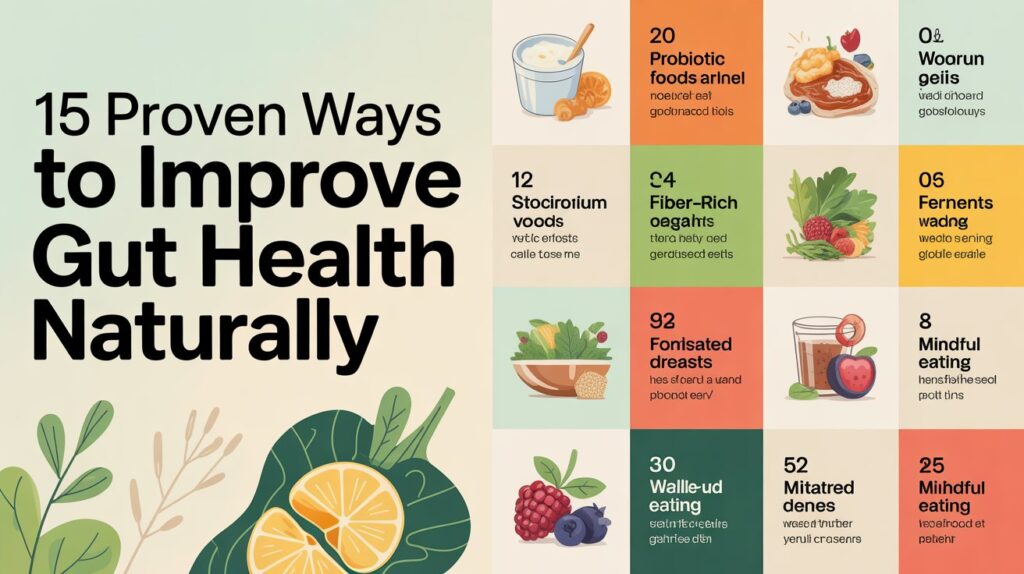
15 Proven Ways to Improve Gut Health Naturally
People often search for how to improve gut microbiome naturally because they want practical solutions that actually work. Research consistently shows that consistent habits matter more than temporary diets. Simple routines help the body rebuild strength slowly. Think of your gut like a garden. Healthy bacteria grow when you feed and protect them daily.
The most effective methods include eating more vegetables, sleeping longer, exercising regularly, reducing sugar, drinking enough water, managing stress, and eating more gut-friendly foods. Experts also encourage home-cooked meals because they contain fewer chemicals and more nutrients. Learning natural ways to heal your gut takes patience, but the results often improve energy, immunity, and mood together.
| Habit | Benefit |
| More fiber | Feeds good bacteria |
| Better sleep | Supports repair |
| Exercise | Improves digestion |
| Less sugar | Reduces inflammation |
| Home cooking | Improves food quality |
How Long Does It Take to Heal or Restore Gut Health?
Many people want to know how to restore gut health fast, but recovery depends on your habits and current condition. Some notice less bloating within days after removing unhealthy foods. Others may need several months to rebuild strong digestion. The body heals gradually, similar to watering dry soil until plants grow again.
Consistency matters more than perfection. Eating more plant-based foods for gut health, drinking water, and reducing stress can slowly rebuild the digestive system. Scientists say the healthy microbiome constantly changes depending on what you eat. Daily choices shape the future of your gut more than occasional “cheat meals” or quick detox trends.
When to See a Doctor About Gut Health Problems
Sometimes digestive symptoms require professional help. Severe stomach pain, blood in stool, sudden weight loss, or long-term diarrhea should never be ignored. These symptoms may point to more serious conditions affecting digestive system health. Early treatment often prevents complications and improves recovery outcomes.
Doctors may recommend testing if symptoms continue despite healthy habits. Conditions such as IBS, Crohn’s disease, and food intolerances can damage digestion over time. Seeking help early may protect colon health and reduce future complications. Combining medical support with healthy lifestyle changes often produces the best results for long-term gut healing.
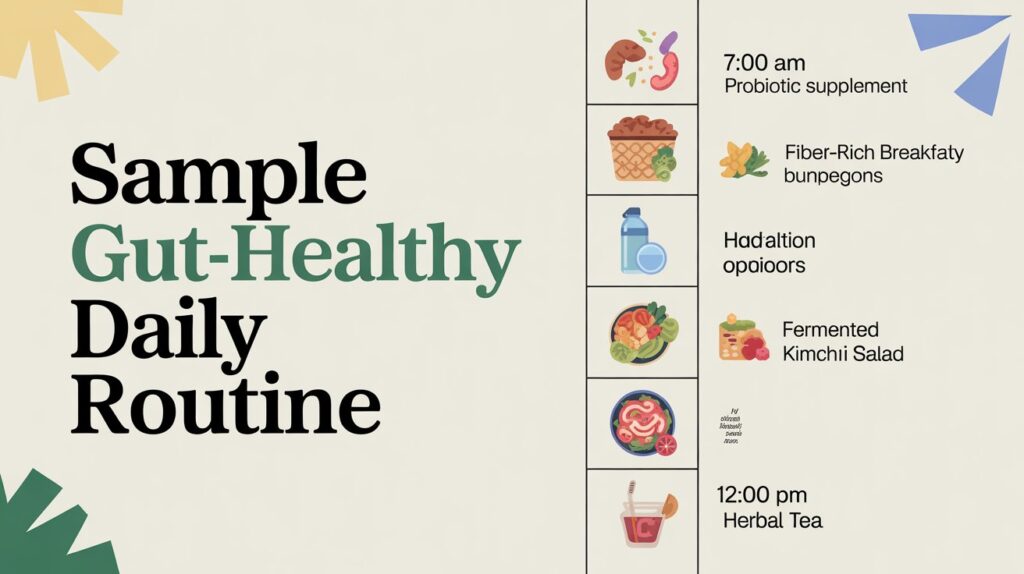
Sample Gut-Healthy Daily Routine
A simple routine can support digestion throughout the day. Start mornings with water and a fiber-rich breakfast. Lunch should include vegetables, lean protein, and whole grains. Dinner works best when it stays balanced and lighter than heavy fast-food meals. This creates a stable healthy eating routine that supports better energy.
Evening habits matter too. Avoid large sugary snacks late at night because they can disrupt digestion and sleep quality. Gentle movement after dinner helps support natural digestion support and reduces bloating. Many experts recommend home cooking for better gut health because fresh meals contain fewer additives and support long-term wellness naturally.
Final Thoughts on Building a Healthy Gut
Building a healthier digestive system does not require perfection. Small choices repeated daily create meaningful changes. Eating more anti-inflammatory foods, reducing stress, and choosing organic foods or non-GMO foods whenever possible can gradually improve your body’s balance. Your gut responds to consistency, not extreme dieting.
Learning how gut health affects brain health may completely change how you view food and lifestyle. Supporting the digestive system improves energy, immunity, and emotional balance together. Focusing on foods that heal the gut lining, daily movement, hydration, and rest creates stronger health from the inside out. Over time, your body rewards those habits with better wellness, stronger digestion, and a healthier future.
What is the quickest way to heal your gut?
The quickest way to improve gut health naturally is to eat more fiber-rich and fermented foods, reduce sugar and processed meals, stay hydrated, and manage stress daily.
FAQs
What to eat when you have gas?
Eat easy-to-digest foods like bananas, rice, yogurt, oatmeal, ginger, and cooked vegetables to reduce gas and support healthy digestion.
What are the 7 signs of an unhealthy gut?
Common signs include bloating, gas, constipation, diarrhea, fatigue, skin problems, and frequent stomach discomfort caused by poor gut balance.
What three foods are good for your gut?
Yogurt, leafy greens, and berries are excellent foods for gut health because they support healthy gut bacteria and digestion naturally.
What fruit takes away gas?
Bananas, papaya, and berries may help reduce gas because they support digestion and contain natural compounds that calm the stomach.

I help websites rank higher, grow traffic, and look amazing. My goal is to make SEO and web design simple and effective for everyone.
As a digital marketer, I specialize in SEO, content strategy, and online growth, helping businesses build a strong digital presence and reach the right audience.
Let’s achieve more together