
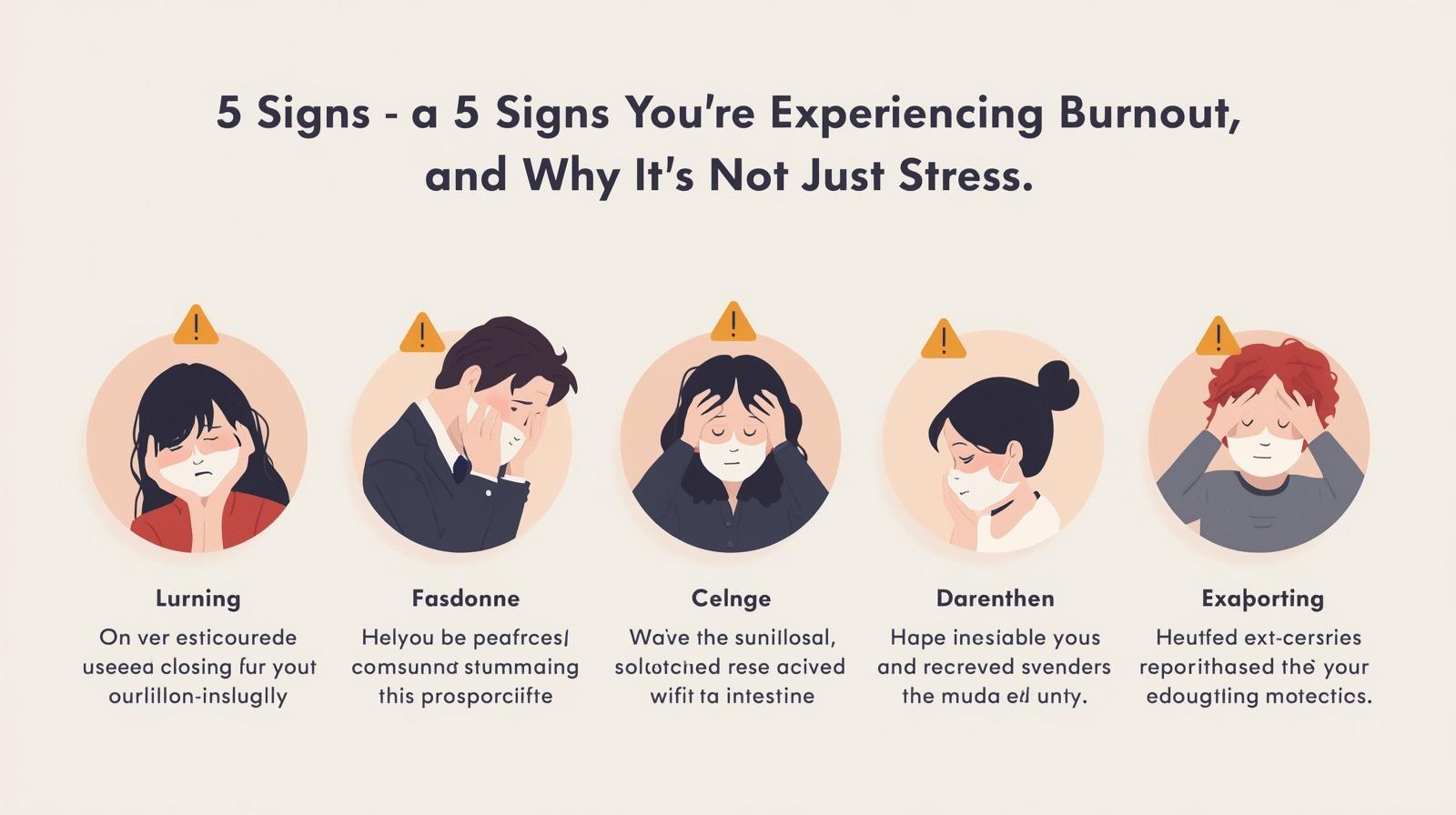
Feeling tired after a long day is normal, but constant exhaustion may point to deeper burnout symptoms. Many people ignore the early signs of burnout because they believe stress will disappear on its own. However, burnout develops slowly through ongoing pressure, emotional strain, and poor balance between work and personal life. Over time, it can affect your mood, energy, focus, and even physical health.
You may feel disconnected from activities you once enjoyed or struggle with daily motivation. Recognizing these warning signs early can protect your mental health and improve your overall well-being. Understanding the difference between temporary stress and true emotional exhaustion is the first step toward recovery and healthier daily habits.
What Is Burnout?
What is burnout? Burnout is a condition caused by long periods of emotional, mental, and physical strain. It often appears when someone becomes unable to meet constant demands at work or home. Unlike short-term stress, burnout creates deep exhaustion that affects motivation, concentration, and emotional stability.
People dealing with job burnout often feel disconnected from life. Activities that once felt exciting suddenly feel empty. You may notice mental exhaustion, emotional exhaustion, and physical exhaustion happening at the same time. In many cases, people experience a persistent sense of dread before work or social responsibilities. This condition has become increasingly common in modern American workplaces.
Why Burnout Feels Different From Everyday Stress
Stress usually creates urgency. Burnout creates emptiness. Stress may leave you tired for a few days while burnout can make you feel emotionally detached for months. The debate around stress vs burnout exists because both share symptoms. Yet burnout often includes hopelessness, emotional numbness, and severe fatigue.
A stressed person still believes things will improve soon. Someone experiencing burnout often feels trapped. Many people describe feeling emotionally numb or emotionally disconnected from their surroundings. Even small responsibilities begin to feel impossible.
| Condition | Common Feeling | Energy Level | Emotional Response |
| Stress | Pressured | High but tense | Reactive |
| Burnout | Empty | Very low | Detached |
| Depression | Sadness | Extremely low | Hopeless |
The Early Warning Signs of Burnout
The burnout warning signs usually appear quietly. Most people do not notice them immediately. You may start feeling tired more often. Your patience becomes shorter. You lose excitement for activities you once enjoyed. These subtle changes slowly build into severe emotional strain.
One of the most overlooked burnout symptoms is losing enthusiasm for normal routines. You may feel that tasks feel like chores. Many people also become increasingly cynical or negative toward coworkers, family members, or responsibilities. When left untreated, these emotional changes often grow stronger over time.
5 Common Signs You May Be Burned Out
The first major sign is constant exhaustion. People with burnout often experience chronic fatigue that does not improve after rest. You may sleep for eight hours yet still wake up exhausted. Some people experience sleep disturbances, trouble falling asleep, or difficulty waking up feeling refreshed in the morning.
The second sign is emotional disconnection. The third sign is increased irritability. The fourth sign is physical discomfort such as headaches, muscle tension, and stomach problems. The fifth sign involves hopelessness and low confidence. Many people feel helplessness because they no longer believe their efforts matter.
A Simple Burnout Self-Check
| Sign | Common Experience |
| Constant fatigue | Feeling drained daily |
| Emotional numbness | Lack of excitement |
| Irritability | Overreacting to small issues |
| Physical symptoms | Pain, headaches, fatigue |
| Hopeless thinking | Feeling stuck or ineffective |
Emotional Symptoms of Burnout
The emotional effects of burnout often appear before physical symptoms. Many people develop anxiety, frustration, or emotional withdrawal. You may become easily irritated or deeply sensitive to criticism. In severe cases, people experience cynicism, sadness, and emotional distance from others.
Burnout can damage your emotional well-being because it affects how you think and react. You may stop caring about goals that once mattered. Relationships can also suffer because emotional exhaustion reduces patience and empathy. Over time, people may become socially isolated and emotionally detached.
Physical Symptoms of Burnout
Burnout affects the body just as much as the mind. Long-term stress places pressure on the nervous system and immune system. Many people report frequent headaches, unexplained aches and pains, digestive issues, and low energy throughout the day. Some also develop a weakened immune function that increases illness frequency.
Sleep problems are extremely common. You may feel tired during the day but restless at night. Poor sleep worsens both concentration and mood. In many cases, people notice changes in appetite, body tension, or energy levels. These symptoms often signal deeper workplace burnout and chronic emotional strain.
| Physical Symptom | Possible Effect |
| Headaches | Reduced focus |
| Muscle tension | Body discomfort |
| Sleep disturbances | Low daily energy |
| Fatigue | Poor productivity |
| Digestive problems | Increased stress response |
Behavioral Symptoms You Should Notice
Burnout changes behavior slowly. You may start avoiding responsibilities or delaying important tasks. Many people develop avoidance behaviors because their mental energy feels depleted. Daily responsibilities suddenly become difficult to manage.
Another common sign is social withdrawal. People stop answering messages, skip social gatherings, or isolate themselves emotionally. Burnout also causes decreased productivity and difficulty concentrating. Employees often begin making more mistakes than usual because their mental focus becomes weaker.
Burnout vs. Stress vs. Depression
The discussion around burnout vs depression is important because the conditions can overlap. Burnout usually develops from prolonged pressure related to work or caregiving. Depression affects nearly every part of life including mood, sleep, appetite, and emotional stability.
Understanding stress vs burnout also matters. Stress creates pressure while burnout creates emotional emptiness. A person under stress may still feel motivated. Someone experiencing burnout often feels disconnected from goals, relationships, and personal achievements.
| Feature | Stress | Burnout | Depression |
| Motivation | Present | Low | Very low |
| Mood | Frustrated | Detached | Deep sadness |
| Energy | Tense | Exhausted | Drained |
| Outlook | Hopeful | Negative | Hopeless |
What Causes Burnout?
Burnout rarely comes from one problem alone. It usually develops from constant pressure without enough recovery time. Heavy workloads, toxic environments, unrealistic expectations, and poor work-life balance often increase emotional strain. Many Americans also face financial pressure and caregiving responsibilities at the same time.
Personality traits can also contribute to burnout. Perfectionists often push themselves too hard. People who struggle with boundaries may ignore their own needs for too long. Without proper self-care, the mind and body eventually lose their ability to recover from daily stress.
How to Recover From Burnout
Recovery takes time and consistency. Quick fixes rarely work. One of the best recovery methods involves adjusting your workload and reducing unnecessary pressure. Small lifestyle changes often make a huge difference. Better sleep, healthier routines, and physical activity can improve emotional stability over time.
Healthy recovery also requires setting better boundaries. You cannot pour energy into everything forever. Many people improve by limiting overtime work, taking breaks from screens, and practicing regular relaxation habits. Recovery becomes easier when you focus on reclaiming your energy and motivation through realistic daily routines.
Healthy Habits That Support Burnout Recovery
| Habit | Benefit |
| Better sleep schedule | Improved energy |
| Daily movement | Lower stress |
| Mindfulness | Emotional calm |
| Social connection | Stronger emotional support |
| Time boundaries | Better balance |
When to Seek Professional Help
Some burnout symptoms become too severe to manage alone. If exhaustion affects your daily functioning, professional guidance may help. Persistent anxiety, panic attacks, emotional numbness, or hopeless thinking should never be ignored. Seeking professional help is a smart and healthy decision.
Many people benefit from therapy, counseling, or structured coping strategies. In New York, services like Clearwave Psychiatric provide specialized psychiatric services for stress-related conditions and emotional burnout. This trusted New York State mental health facility supports patients in locations including Poughkeepsie, Middletown, Valhalla, Nanuet, Garden City, Latham, and Hauppauge. Their psychiatric therapy services help individuals rebuild emotional strength and improve long-term wellness.
Conclusion
Burnout is more than feeling tired after a busy week. It affects your emotions, physical health, relationships, and productivity. The most dangerous part is how slowly it develops. Many people ignore the signs until they feel completely exhausted and disconnected from life.
Recognizing burnout symptoms early gives you the chance to protect your well-being before things become worse. Whether you focus on better habits, stronger boundaries, or professional support, recovery is possible. Paying attention to your emotional and physical needs today can help you build a healthier and more balanced future.
FAQs
What does the beginning of burnout feel like?
The beginning of burnout often feels like constant tiredness, low motivation, and emotional drain even after resting. Small tasks may suddenly feel overwhelming.
What is the 42% rule for burnout?
The 42% rule refers to studies showing that employees experiencing high stress are significantly more likely to develop burnout symptoms and reduced productivity.
Can you recover from burnout?
Yes, burnout recovery is possible with proper rest, healthy boundaries, stress management, and professional support when needed.
What are the 5 stages of burnout?
The five stages of burnout are honeymoon phase, onset of stress, chronic stress, burnout, and habitual burnout where symptoms become ongoing.

I help websites rank higher, grow traffic, and look amazing. My goal is to make SEO and web design simple and effective for everyone.
As a digital marketer, I specialize in SEO, content strategy, and online growth, helping businesses build a strong digital presence and reach the right audience.
Let’s achieve more together